
The Rise of the DIY Electric Vehicle Owner: Maintenance You Can and Cannot Do

Read Time:5 Minute, 27 Second
The garage is changing. Gone, slowly, are the puddles of oil and the scent of gasoline. In their place? A cleaner, quieter space where the hum of a battery pack has replaced the rumble of an engine. And with this shift comes a new kind of tinkerer: the DIY EV owner.
This isn’t your granddad’s Saturday car project. Honestly, it’s something different. It’s driven by tech-savvy folks who love the idea of understanding—and maybe even touching—the machine they drive. But here’s the deal: an electric vehicle is a blend of a rolling computer and a high-voltage power plant. That means the DIY playbook has been completely rewritten. Let’s dive into what you can realistically handle in your own garage, and what should absolutely, without question, be left to the pros.
The DIY Sweet Spot: EV Maintenance You Can Handle
First, the good news. EVs have far fewer moving parts than internal combustion vehicles. No oil, no spark plugs, no exhaust systems, no complex transmissions. That eliminates a huge chunk of traditional maintenance. For the hands-on owner, this opens up a world of simpler, safer tasks.
Cabin Air Filter Replacement
This is identical to any other car. Usually located behind the glove box, swapping out a clogged cabin air filter for a fresh one is a 10-minute job that improves air quality and HVAC efficiency. A perfect first project.
Wiper Blades and Fluid
No high-voltage danger here. Replacing worn wiper blades and topping up the washer fluid reservoir (often with a specific concentrate for the heated washer systems in some EVs) is as straightforward as it gets.
Tire Rotation, Care, and Replacement
EVs are heavy and deliver instant torque, which can wear tires faster. You can—and should—rotate your tires regularly. The process is the same, though you’ll need to mind the weight. When it’s time for new rubber, you can mount them yourself if you have the equipment, or just make an informed purchase choosing EV-specific tires for range and noise.
12-Volt Auxiliary Battery Maintenance
This one trips up a lot of new EV owners. Yes, your car has a massive traction battery. But it also has a small, traditional 12-volt battery that powers the computers, lights, and door locks. If it dies, the car won’t “start.” Checking its health, cleaning terminals, and knowing how to jump-start or replace it is a crucial DIY skill.
Brake System Inspection & Lubrication
Thanks to regenerative braking, EV physical brakes are used far less. The downside? They can corrode from disuse. You can safely remove wheels to inspect brake pad thickness and look for rotor corrosion. Cleaning caliper brackets and applying brake lubricant to prevent seizing is a smart, proactive DIY task.
The No-Go Zone: EV Work That Demands a Pro
Now we enter the red zone. The high-voltage system in an EV—often 400 volts or more—can be lethal. It’s not just a shock risk; it’s an arc-flash hazard. These systems are clearly marked with bright orange wiring and have strict safety protocols for disconnection. Unless you are a certified technician, steer clear.
Anything Involving the Traction Battery Pack
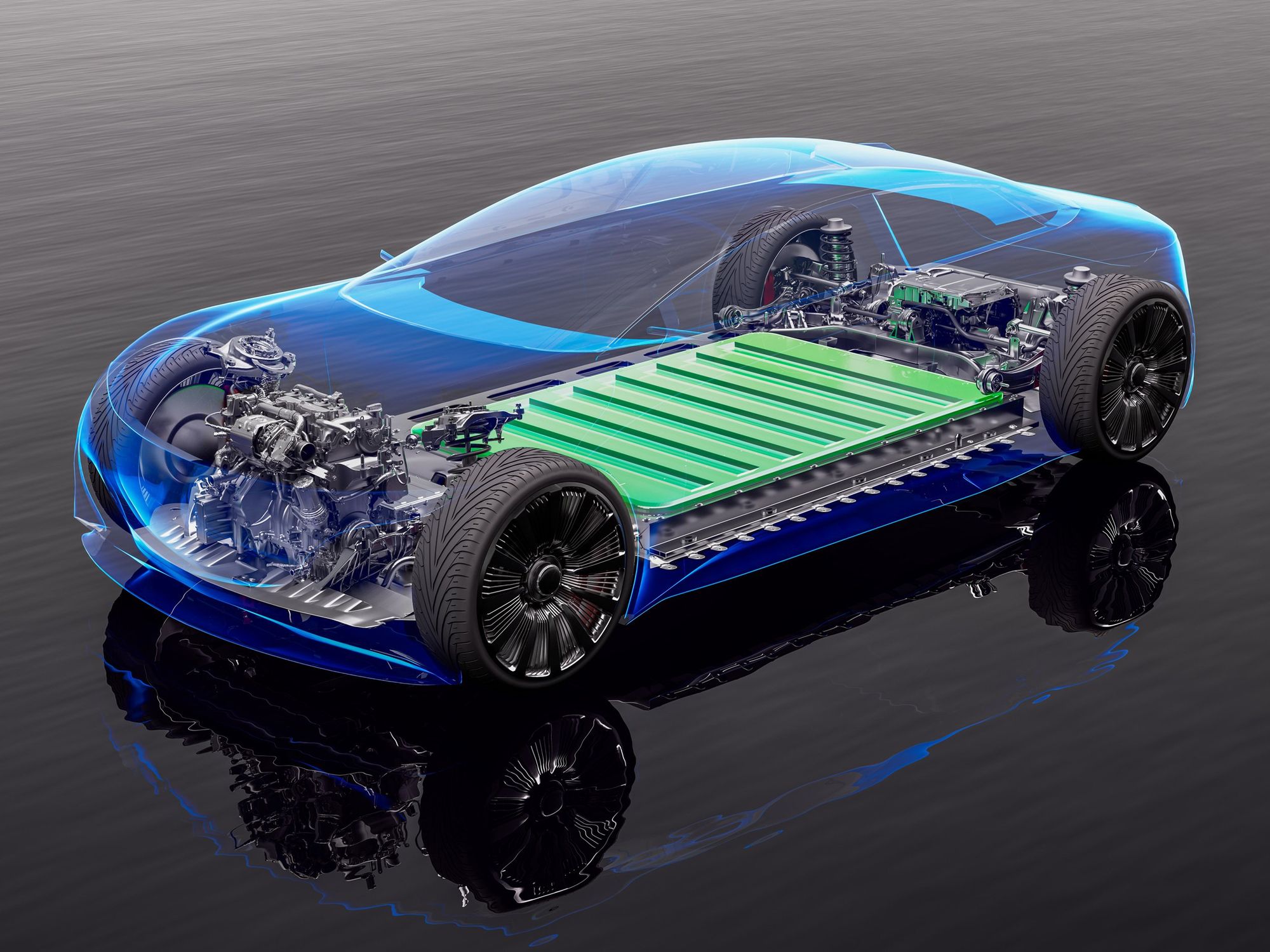
This is the heart of the car. Sealed under the floor, it’s not serviceable by you. Diagnosing battery issues, attempting to repair modules, or even just accessing the pack requires specialized tools, training, and safety gear. Even a minor coolant leak related to the battery’s thermal management system is a pro job.
High-Voltage Cable and Component Work
Those orange cables connect the battery to the inverter, motor, and charger. The inverter itself, which converts DC to AC, is a complex, high-power component. No DIY. Just don’t.
Electric Motor and Drive Unit Servicing
While the motor itself is incredibly robust, it’s a sealed unit. If it fails, it gets replaced, not rebuilt in your garage. Similarly, the single-speed reduction gearbox may need fluid changes, but the interval is long and the procedure often requires specific fluids and calibrations.
Advanced Software, Firmware, and Calibrations
Your EV is a computer on wheels. Critical updates to the Battery Management System (BMS) or motor controller firmware are performed by the dealer or a specialist. After certain repairs—like a brake service or suspension work—systems may need recalibration with proprietary software you simply cannot access.
The Gray Area: Proceed with Caution and Research
Some tasks fall into a middle ground. They’re not high-voltage, but they require more know-how, special tools, or could void warranties. For the advanced DIYer, they might be feasible.
Brake Fluid Flush: The hydraulic system is similar, but the process might involve putting the car into a “service mode” to disable regen. You need to know the specific procedure for your model.
Cabin Air Filter Replacement: Okay, we said this was easy. And it usually is. But in some models—Tesla Model 3, I’m looking at you—it’s a bafflingly complex process requiring trim removal. Always check a guide first.
Suspension Work: Replacing shocks or struts is mechanically similar to other cars. But the weight is a factor, and on some air suspension or adaptive damping systems, you’re back in the realm of software recalibration.
Gearing Up for the EV DIY Mindset
So, what does the modern DIYer need? A different toolkit. A high-quality multimeter and a reliable OBD-II scanner that can read EV-specific codes are essential. You’ll become best friends with your vehicle’s official service documentation—often available online—and dedicated owner forums. These communities are gold mines for step-by-step guides and shared wisdom.
The philosophy shifts from wrench-turning to systems-thinking. You’re monitoring battery health through the dashboard, understanding charging patterns, and learning the sounds of the coolant pump and the contactors clicking. It’s less about getting your hands dirty with grease and more about… well, data and diagnostics.
That’s the real rise of the DIY EV owner. It’s an empowered relationship with technology. It’s knowing the boundaries between a simple fix and a serious hazard. The joy isn’t in the oil change you skipped, but in the understanding you gained—the confidence that comes from maintaining the simpler parts of an incredibly complex machine, and the wisdom to know when to step back and let the experts handle the rest. The garage is quieter now, but the curiosity within it is louder than ever.


Happy
0 %

Sad
0 %

Excited
0 %

Sleepy
0 %

Angry
0 %

Surprise
0 %
 0
0
 0
0


More Stories
Specialized Maintenance and Repair for Hybrid Delivery and Rideshare Vehicles
Let's be honest. If you're driving a hybrid for Uber, Lyft, or delivering packages, your car isn't just a vehicle—it's...
Navigating Advanced Driver-Assistance Systems (ADAS) Calibration After Repairs
So, your car’s been in a fender bender. The body shop did a beautiful job—the paint matches, the panel gaps...
Proactive Maintenance for High-Mileage Ride-Sharing and Delivery Vehicles: The Smart Driver’s Playbook
Let's be honest—your car isn't just a car anymore. It's an office, a logistics hub, and your primary source of...
Your Car is a Computer on Wheels: Navigating Automotive Cybersecurity and Software Maintenance
Think about the last time you updated your phone's operating system. Annoying, maybe, but crucial. Now, imagine that same process...
Mobile Auto Repair Business Setup and Service Expansion: Your Roadmap to Success
The hum of a busy garage is a classic sound. But what if your garage could come to your customer?...
Hybrid Car Repair Challenges and Solutions: What Every Owner Should Know
Hybrid cars are like the Swiss Army knives of the automotive world—versatile, efficient, but a bit complicated when something goes...
Average Rating