
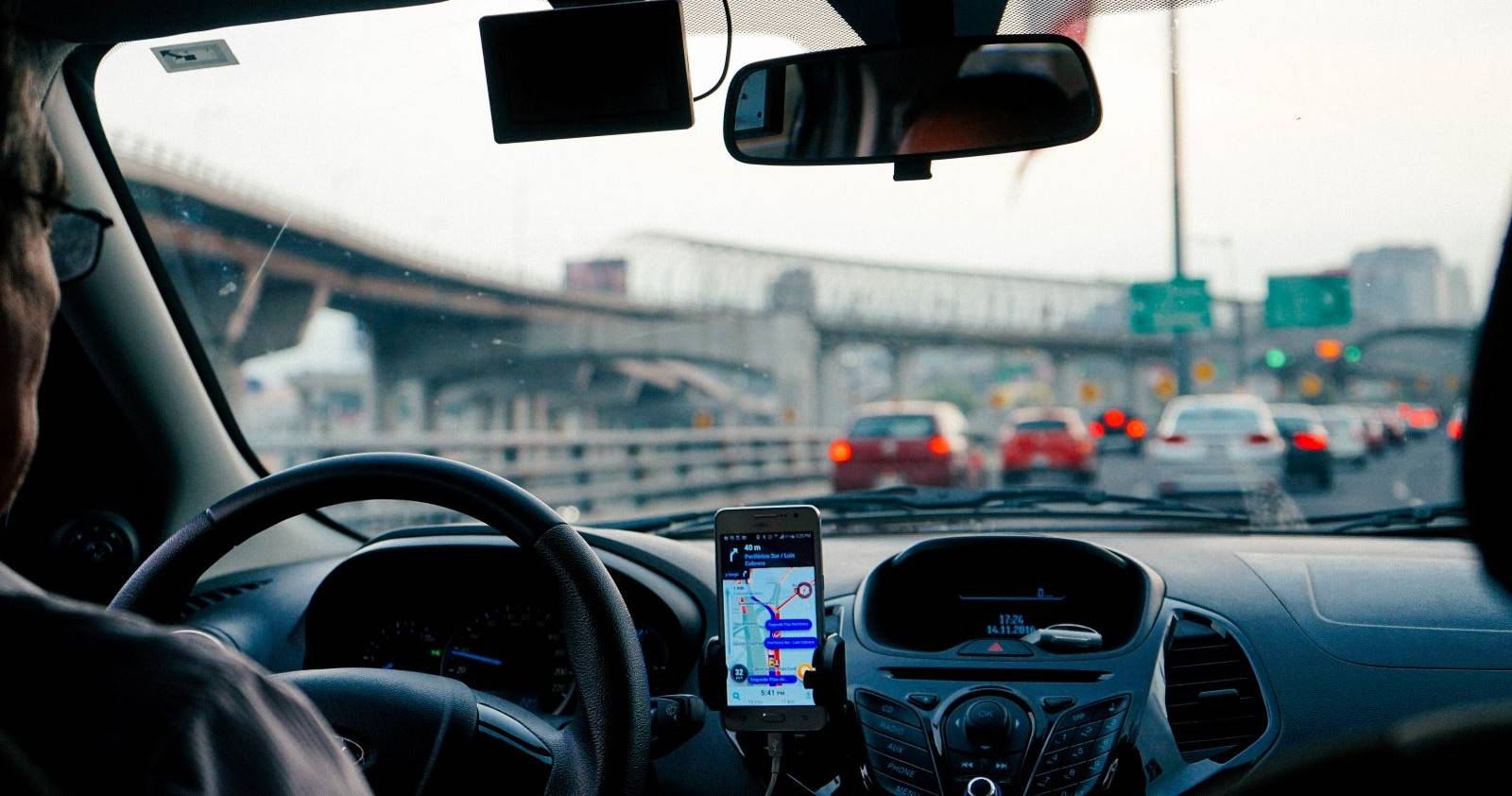
Your Car, Your Command Center: Integrating Smart Home Tech with Your Vehicle

Read Time:4 Minute, 51 Second
Imagine this: you’re ten minutes from home after a long day. With a tap on your car’s dashboard screen—or even just your voice—your living room lights flicker on, the thermostat adjusts to your perfect temperature, and the garage door begins its silent ascent. This isn’t science fiction. It’s the tangible reality of integrating your vehicle with your smart home ecosystem.
Honestly, our cars and our homes have been living separate lives for too long. One is a hub of our domestic world, the other a portal to everything beyond it. But with the rise of the Internet of Things (IoT), that wall is crumbling. Let’s dive into how you can bridge that gap and create a seamless experience that starts before you even park.
Why Bother? The Allure of a Connected Commute
Sure, it sounds cool. But beyond the “wow” factor, there are some genuine, daily-life benefits to this integration. It’s about convenience, sure, but also about efficiency, security, and even peace of mind.
Think of it as extending your personal bubble. Your preferences for comfort and routine travel with you, reducing those small mental loads. No more fumbling for a garage door opener in the rain. No more walking into a dark, cold house. It’s the automation of life’s little transitions.
Core Technologies Making It Happen
This magic relies on a few key pieces talking to each other. First, you need a connected vehicle. Many new models have built-in 4G/5G modems and infotainment systems (like GM’s OnStar, Ford’s SYNC, or BMW’s ConnectedDrive) that act as the car’s brain for this stuff. Older cars? Don’t worry. Aftermarket devices like Verizon Hum or Automatic adapters can add this intelligence.
Next, your smart home platform. This is the conductor—Amazon Alexa, Google Assistant, or Apple HomeKit. They’re the common language your car and your light bulbs speak.
Finally, the IoT devices themselves: smart locks, thermostats, lights, garage door openers, and security cameras. The glue? Your smartphone and a solid internet connection at home.
Practical Integrations You Can Set Up Today
Alright, here’s the deal. What does this actually look like in practice? Let’s break down some of the most popular and useful integrations.
Arrival and Departure Automation (Geofencing)
This is the killer app, honestly. Using your phone’s or car’s location, your smart home can trigger “scenes” when you cross an invisible boundary. It’s like your house perks up its ears when you’re close.
- Coming Home: As you approach, the garage door opens, the entryway lights turn on, and the AC or heat kicks in.
- Leaving Home: When you drive away, the system can lock all doors, turn off lights, adjust the thermostat to an energy-saving mode, and arm the security system.
Setting this up usually happens in your smart home app. You create the “Coming Home” routine, select the triggers (like your phone’s location), and then choose the actions for your devices.
Voice Control on the Go
Many modern infotainment systems have Alexa or Google Assistant built right in. That means without touching your phone, you can say, “Hey Google, open the garage door,” or “Alexa, set the living room temperature to 72 degrees.” It turns your car into a remote control for your house—and a safe one, keeping your eyes on the road.
Vehicle Status at Your Fingertips
The connection flows both ways. Through your smart home apps or displays, you can often check your car’s status. Think: “Hey Siri, is my car locked?” or glancing at your kitchen tablet to see your EV’s battery level and charging progress. For families sharing a vehicle, it’s a game-changer for logistics.
Security, Privacy, and the Roadblocks
Now, it’s not all smooth driving. That said, there are real considerations. Security is a big one. Every new connection point is a potential vulnerability. A hacked car account could, in theory, grant someone access to your home’s digital front door.
Here’s a quick table of considerations and smart practices:
| Concern | Smart Practice |
| Data Privacy | Regularly review app permissions. Don’t share vehicle login details. |
| Network Security | Use strong, unique passwords for car and IoT accounts. Enable two-factor authentication (2FA) wherever possible. |
| Reliability | Have a physical backup (a house key!). Tech can fail. |
| Compatibility | Check if your car brand, smart home platform, and specific device actually play nice before buying new gear. |
And that last point—compatibility—is a major current pain point. The ecosystem is still fragmented. A feature might work seamlessly with Alexa but be clunky with HomeKit. It requires a bit of research and, sometimes, patience.
The Road Ahead: Where This Is All Going
This is just the beginning, you know? The integration is moving from simple triggers to predictive intelligence. Your car could notify your home that you’re low on fuel, and your home assistant could add a stop to your grocery list. Or, your calendar appointment across town could prompt your car to pre-condition its cabin and your house to lock up as you leave.
Electric vehicles are a huge catalyst here. They’re essentially giant, rolling IoT devices. Bi-directional charging is on the horizon, where your car could power your home during an outage—all managed through the same integrated app you use to turn on your porch light.
The line between mobile and stationary life is blurring. It’s not about having a smart car or a smart home anymore. It’s about having a smart life, where technology handles the mundane intersections between spaces. The goal isn’t complexity; it’s simplicity. A quieter, more intuitive flow to your day.
So, the next time you pull into your driveway, take a second. That short pause between turning off the engine and stepping inside—that’s the frontier. And it’s one we’re slowly, surely, automating into something pretty remarkable.


Happy
0 %

Sad
0 %

Excited
0 %

Sleepy
0 %

Angry
0 %

Surprise
0 %
 0
0
 0
0


More Stories
How Over-the-Air Software Updates Are Changing Used Car Values
Picture this. You buy a used car, drive it home, and the next morning it has a new feature you...
Car Subscription Services vs Long-Term Rental for Digital Nomads
You're packing your laptop, your noise-canceling headphones, and that lucky travel mug. You've got a co-working space lined up in...
EV Charging Etiquette for Apartment Dwellers: A Practical Guide
So, you’ve made the leap to an electric vehicle while living in an apartment complex. Good for you — seriously....
Solar-Powered Car Accessories for Reducing Grid Dependency
You know that feeling—pulling into a gas station or plugging in your EV, watching your money drain away. The grid...
The Rise of Micro-Mobility and Car Integration: Redefining Urban Living
Let’s be honest. For decades, the car was king in the city. It was a symbol of freedom, a personal...
Comprehensive Analysis of Subscription-Based Car Ownership Models
Let's be honest. The idea of owning a car—the loan, the rapid depreciation, the surprise repair bill—is starting to feel...
Average Rating