
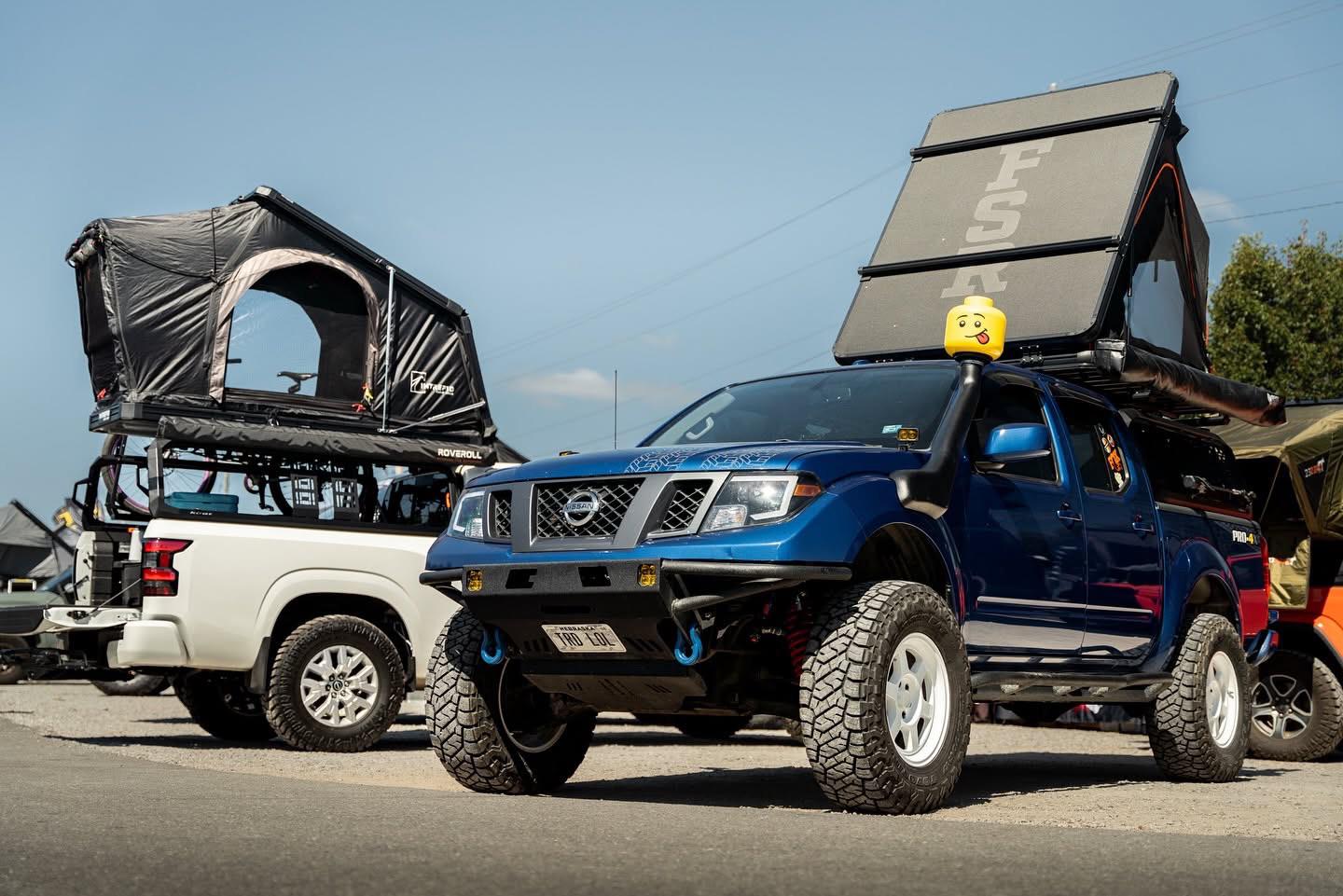
Implementing Off-Grid Power and Water Systems for Expedition and Work Trucks

Read Time:5 Minute, 18 Second
Let’s be honest. The dream of hitting the backcountry for weeks, or setting up a remote worksite without a whisper of civilization, hinges on two things: power and water. You can have the toughest truck on the planet, but without a plan for these essentials, your reach is limited. That’s where a well-designed off-grid system comes in. It’s not just about comfort; it’s about capability and, frankly, freedom.
Here’s the deal: building these systems is part art, part science. It’s about balancing your needs with your vehicle’s real estate and weight capacity. This isn’t a one-size-fits-all game. So, let’s dive into the nuts and bolts—and the quiet hum of solar panels—of creating self-sufficiency on wheels.
The Heart of the Beast: Designing Your Off-Grid Power System
Think of your power system as a tiny, mobile power company. It has generation, storage, and distribution. Getting this triad right means you can run your fridge, tools, lights, and gadgets without a second thought.
1. Generation: How You Make the Juice
You’ve got a few options here, and the smart move is often a hybrid approach.
- Solar Panels: The silent workhorse. For expedition vehicles, rigid or flexible panels mounted on the roof are the go-to. They trickle-charge all day long. Newer, high-efficiency models are a game-changer for limited roof space.
- DC-to-DC Charging: This is a clever one. It uses your truck’s alternator to charge your auxiliary battery bank while you drive. Perfect for replenishing after a cloudy day or a long night. It’s a must-have for any serious work truck power system.
- Portable Generators / Inverter Chargers: A small inverter generator can be a reliable backup. But, more elegantly, a multi-sine wave inverter charger can also accept shore power when you’re at a campground, giving you flexibility.
The trend? Redundancy. Relying on a single source is risky. Combining solar with DC-to-DC charging covers most scenarios seamlessly.
2. Storage: Banking the Energy (The Battery Bank)
This is where the real evolution has happened. Gone are the days of just using a second starter battery.
| Battery Type | Pros | Cons | Best For… |
| AGM (Absorbent Glass Mat) | Reliable, sealed, no maintenance, good value. | Heavier, lower depth of discharge (50%), slower charging. | Budget-conscious builds, moderate use. |
| Lithium Iron Phosphate (LiFePO4) | Lightweight, huge depth of discharge (80-100%), charges very fast, long lifespan. | Higher upfront cost, needs a specific lithium-compatible charger. | Serious users, weight-sensitive builds, maximizing solar input. |
For most people building an off-grid truck camper today, LiFePO4 is the clear winner if the budget allows. The weight savings alone—often 60% less than AGM—is a huge deal for vehicle performance and fuel economy. You know?
3. Distribution & Inversion: Using the Power Safely
This is the brains of the operation. A pure sine wave inverter converts your battery’s DC power to clean AC power for laptops, appliance chargers, and sensitive electronics. Don’t skimp here—a cheap inverter can fry your gear.
And you absolutely need a proper fuse box or distribution panel for your 12V DC circuits (lights, water pump, fan). It feels like boring electrical work, but it’s what prevents a short circuit from turning your truck into a campfire. A little awkward to talk about, but totally critical.
Water, Water (Not) Everywhere: The Hydration Equation
Power gets the glory, but water is life. Your system needs to store it, move it, and—importantly—dispose of it responsibly.
Fresh Water Systems: More Than Just a Tank
You can’t just slap a plastic jug in the back and call it a day. Well, you can, but it’s a pain.
- Tank Selection: Food-grade polyethylene or stainless steel tanks are standard. Shape is everything—utilize those awkward cavities under the bed or between frame rails. Size depends on your crew and trip length, but 20-40 gallons is a common range for self-sufficient overlanding.
- Pressurization: A 12V demand water pump (like a Shurflo) is the heart. It provides near-instant water pressure at your sink or outdoor shower. Get one with a built-in pressure switch so it only runs when you open a faucet.
- Heating: For a hot shower after a dusty day? A propane on-demand (tankless) water heater is a luxury that feels like a necessity. Electric element heaters are simpler but devour battery power.
Grey Water & Filtration: The Less Glamorous Side
This is where good campers become great stewards. Have a plan for your sink and shower runoff (grey water). A simple, removable tank that you can empty at a proper dump station is best practice—never just let it drain onto the ground.
And for sourcing water? A quality multi-stage water filter (think sediment + carbon block) is essential for turning sketchy stream water into something drinkable. It’s your ultimate backup plan.
Integration: The Real-World Squeeze
Designing on paper is easy. The real challenge is fitting everything into a rolling metal box that also has to, you know, carry people and gear.
- Weight Distribution: Place heavy batteries and water tanks low and centered, ideally between the axles. This keeps your truck’s center of gravity safe and handling predictable.
- Access vs. Protection: You need to get to fuses and connections, but they must be shielded from dust, moisture, and vibration. Waterproof electrical connectors and sealed enclosures are worth their weight in gold.
- The Modular Mindset: Especially for dual-purpose work trucks, consider slide-out trays for your power center or quick-disconnect water lines. Your system shouldn’t prevent you from using your truck for truck stuff.
A Thought to Take With You
Building these systems isn’t just about the gear. It’s a shift in mindset. It’s about listening to the quiet confidence of a battery monitor showing a full charge from the sun, or the simple satisfaction of pouring a glass of water you pumped yourself from a hidden spring. It returns a sense of agency that’s often lost in our plugged-in world.
The goal isn’t to replicate your home, but to distill life down to what’s essential—and then to power those essentials completely on your own terms. That’s the real destination.


Happy
0 %

Sad
0 %

Excited
0 %

Sleepy
0 %

Angry
0 %

Surprise
0 %
 0
0
 0
0

More Stories
The Culture and Economics of Regional and Hyper-Local Food Truck Circuits
You know the scene. The sizzle of a griddle, the line snaking down the sidewalk, that first bite of something...
Sustainable and Eco-Friendly Modifications for Diesel Trucks: A Practical Guide
Let's be honest—diesel trucks have a reputation. They're the workhorses of the road, beloved for their torque and durability, but...
Building a Professional Mobile Workshop or Trade Business in a Truck Bed
Picture this: you’re stuck with a broken-down appliance, a leaky pipe, or a car that won’t start. The last thing...
Sustainable Truck Farming: How Mobile Agriculture is Reshaping Our Food System
Picture this: a vibrant, green oasis on wheels. A repurposed delivery truck, its sides folded down to reveal tiers of...
Sustainable Truck Farming and Mobile Agriculture: The Future is Rolling In
You’ve seen them. Maybe at a local farmers' market, or parked in a vacant lot downtown. A vibrant, green-covered truck,...
Hybrid Truck Options for Urban Delivery Services: The Smart Shift
Let’s be honest—urban delivery isn’t getting any easier. Between tight streets, emissions regulations, and the constant hum of stop-and-go traffic,...
Average Rating