
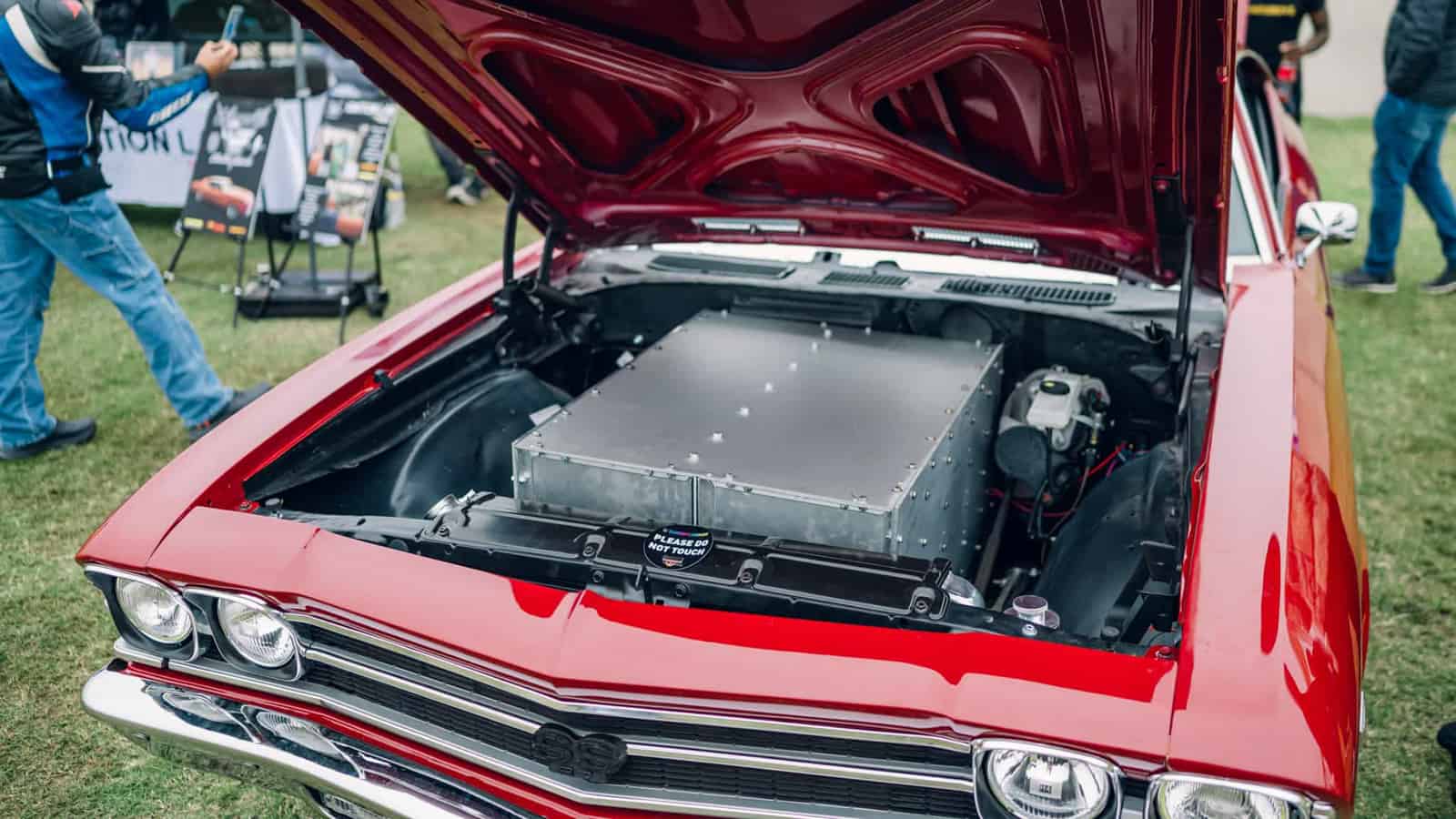
Retrofitting Classic Cars with Modern Electric Powertrains: A New Heart for an Old Soul

Read Time:5 Minute, 2 Second
The gentle rumble of a V8, the scent of petrol and warm oil—these are the sensory signatures of a classic car. They’re also, let’s be honest, the prelude to a symphony of maintenance, dwindling fuel availability, and, increasingly, a pang of environmental guilt. What if you could keep the timeless beauty and character of your classic, but gift it a new, silent, and potent heart? That’s the promise—and the growing reality—of the classic car EV conversion.
It’s more than a trend. It’s a movement. Enthusiasts aren’t just swapping engines; they’re redefining what classic car ownership means for the 21st century. Let’s dive into the electrifying world of turning your vintage treasure into a zero-emissions cruiser.
Why Go Electric? The Compelling Case for a Swap
Sure, purists might wince. But the reasons for considering an electric powertrain retrofit are stacking up fast. It’s not just about being green. It’s about usability, performance, and preservation.
First, there’s reliability. An electric motor has maybe one moving part in its core. No carburetors to tune, no points to set, no fragile cooling systems to fail. You get in and go, every single time. Then there’s the torque—instant, silky, and massive. It transforms a leisurely classic into something that can, quite surprisingly, keep up with modern traffic off the line.
And let’s talk about the car itself. This process often involves a complete restoration of the chassis and brakes. You’re not just adding batteries; you’re saving the metal, extending the life of the body by decades. It’s the ultimate form of recycling.
The Heart of the Matter: What’s Actually Involved?
So, what does a typical EV conversion kit for classic cars entail? Well, it’s a symphony of new parts working within an old shell.
- The Motor and Controller: This is the new engine. Motors are often mounted where the transmission was, or even in place of the original engine block. The controller is the brain, managing power delivery.
- The Battery Pack: The fuel tank. This is the biggest challenge—finding space for enough lithium-ion cells to get a decent range. They’re often placed in the trunk, under the hood, or even in the transmission tunnel.
- The Charging System: Built-in chargers allow you to plug into a standard wall outlet or a Level 2 home charger.
- Ancillary Systems: You need a new power steering pump (if needed), an electric brake booster, and a modern HVAC system. The old radiator? Often replaced by a sleek liquid cooling loop for the battery and motor.
The Real Talk: Challenges and Considerations
It’s not all instant torque and quiet rides. Retrofitting a classic with an electric drivetrain is a major undertaking. Here’s the deal.
Cost is the giant one. A professional, turn-key conversion can easily soar into six figures. DIY kits are cheaper, but require serious mechanical and high-voltage electrical know-how. You’re paying for cutting-edge technology and custom fabrication.
Weight and Balance are a constant dance. Batteries are heavy. A skilled converter works like a chef, distributing that weight low and evenly to preserve, or even improve, the car’s original handling. Get it wrong, and it feels like driving a safe.
Then there’s the range anxiety question. Most conversions aim for 100-150 miles of real-world range. That’s perfect for weekend fun and local shows, but it redefines the car’s purpose. It becomes a local masterpiece, not a cross-country cruiser.
A Quick Look at Conversion Candidates
Some cars are just better suited for the swap. Here’s a quick, non-exhaustive table of why certain classics are EV darlings.
| Car Model | Why It’s a Good Candidate |
| Volkswagen Beetle / Bus | Rear-engine, air-cooled simplicity. Huge aftermarket support for EV kits. Lightweight. |
| Classic Mini | Tiny, lightweight. Swapping a heavy iron engine for batteries can improve weight distribution. |
| Ford Mustang (60s-70s) | Spacious engine bay. Robust chassis that can handle torque. A true “muscle car” redefinition. |
| Porsche 911 (air-cooled) | Preserves the iconic shape while solving notorious engine heat/reliability issues. The weight in the back stays. |
| British Roadsters (MG, Triumph) | Often non-running or with frail engines. The conversion gives them a new, reliable lease on life. |
The Soul of the Machine: Does It Lose Its Character?
This is the million-dollar question. For some, the soul is in the smell, the sound, the vibration. That’s irreplaceable. But many who’ve done the swap talk about a new character emerging.
You hear the wind and the tires. You notice the quality of the road. The driving becomes more… intimate. The beauty of the design and the craftsmanship of the interior take center stage. It’s a different kind of love affair. You’re not preserving a museum piece; you’re creating a functional, daily-drivable piece of art that respects the past while embracing the future.
Looking Down the Road: The Future of Classic EV Conversions
The technology is evolving at a breakneck pace. Battery energy density is improving, meaning more range in smaller packages. Companies are starting to offer crate electric motors—think of them as modern drop-in V8s for the EV age. The aftermarket is blossoming with plug-and-play components.
Honestly, we’re moving toward a future where an electric classic car conversion might be as common as a engine rebuild is today. It becomes a standard option for restoration. The key will be doing it thoughtfully—maintaining the car’s visual and spiritual essence while unlocking a new, sustainable layer of performance.
In the end, it’s a deeply personal choice. It’s not for every car or every owner. But for those who take the plunge, it’s more than a conversion. It’s a conversation. A dialogue between eras. You’re not erasing history; you’re writing a new, fascinating chapter for a car that still has so many miles left to go.


Happy
0 %

Sad
0 %

Excited
0 %

Sleepy
0 %

Angry
0 %

Surprise
0 %
 0
0
 0
0

More Stories
The impact of vehicle-to-grid (V2G) technology on home energy management
Imagine your car isn't just sitting in your driveway, sipping electricity. Imagine it's a giant, rolling battery pack—a power bank...
The impact of vehicle-to-grid (V2G) technology on home energy management
Imagine your electric car isn't just sitting in your driveway, sipping power. Imagine it's a giant, mobile battery pack—a silent...
The Rise of Subscription-Based Car Ownership: Is It the End of the Traditional Dealership?
You know that feeling. The one you get when you walk into a car dealership. The pressure, the confusing financing...
Micro-mobility Integration with Personal Vehicles: The Future of Your Door-to-Door Journey
Let's be honest. The last mile of any trip is often the most frustrating. You know the drill—you drive to...
Sustainable Automotive Materials and Eco-Friendly Upgrades: The Road Beyond the Tailpipe
For years, the conversation about "green" cars started and ended with the tailpipe. Electric vehicles, hybrids, fuel efficiency—that was the...
Your Car’s New Superpowers Need a Tune-Up: The Unseen World of ADAS Calibration
That new car of yours? It’s practically a superhero. It can see around corners, slam on the brakes before you...
Average Rating