
The impact of vehicle-to-grid (V2G) technology on home energy management

Read Time:5 Minute, 11 Second
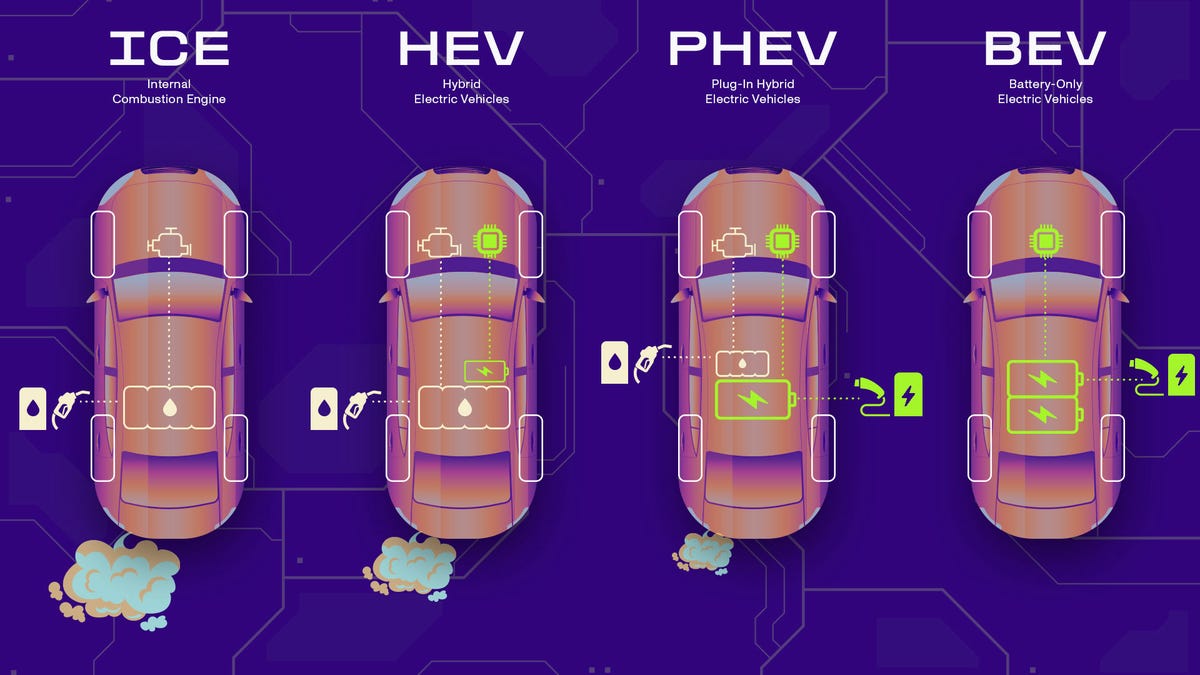
Imagine your electric car isn’t just sitting in your driveway, sipping power. Imagine it’s a giant, mobile battery pack—a silent partner in your home’s energy system. That’s the promise of vehicle-to-grid, or V2G, technology. It’s a shift from one-way charging to a two-way conversation between your car, your home, and the wider power grid.
Honestly, it sounds a bit sci-fi. But the impact on how we manage energy at home? It’s poised to be profound. Let’s dive in.
From Garage to Grid: What V2G Actually Means for Your Home
Think of your home energy setup like a bank account. Traditionally, you only make withdrawals (using power). With solar panels, you start making deposits. V2G turns your EV into a high-yield savings account you can tap into. The car stores energy, and when your home needs it—or when the grid is stressed—it can send that clean electricity right back.
The Core Shift: Your Car as a Home Asset
This isn’t just about backup power, though that’s a huge perk. It’s about active, intelligent home energy management. Your EV becomes the central hub. Here’s the deal:
- Peak Shaving: Utility rates often skyrocket during “peak” hours (like 4-9 PM). A V2G system can power your home from the car’s battery during those expensive times, slashing your bill.
- Solar Synergy: You generate solar power all day, but use most energy at night. Instead of selling it all back to the grid cheaply, you store your excess solar in the car battery. Then, you use it in the evening. It’s a closed, efficient loop.
- Grid Services: This is the big one for utilities. Your car can provide tiny bursts of power to stabilize the local grid during fluctuations. In return, you might get paid or receive credits. Your parked car earns its keep.
The Tangible Benefits: More Than Just a Theory
Okay, so the concept is cool. But what does this impact of vehicle-to-grid technology feel like in your daily life? A few key things change.
1. Resilience and Peace of Mind
Power outages are more than an inconvenience; they’re a real worry. A V2G-enabled EV can keep your lights on, fridge running, and maybe even the heat going for days. It’s a backup generator that you already own and maintain—you just drive it around. That’s a massive shift in home security.
2. Serious Cost Control
Energy costs are, well, unpredictable. V2G hands you some control. By avoiding peak rates and optimizing when you buy/sell energy, you stabilize your budget. Early pilots show participants saving hundreds per year. It adds up.
3. Supercharging Your Renewable Investment
If you have rooftop solar, V2G is a game-changer. It solves the storage problem without needing a separate, expensive home battery—at least not a big one. You maximize self-consumption of your own clean energy. That’s the dream of energy independence, inching closer to reality.
The Flip Side: Real-World Hurdles and Considerations
It’s not all smooth sailing. A few wrinkles need ironing out before V2G becomes mainstream in home energy management systems.
Battery Wear and Tear: This is the big question everyone asks. Cycling a battery (charging and discharging) does cause degradation. But studies and real-world trials are showing that smart, managed V2G—avoiding deep, stressful cycles—has a minimal impact, especially when balanced against the financial benefits. Car makers are also designing V2G-ready batteries with this in mind.
The Tech Ecosystem: You need a V2G-capable car (like a Nissan Leaf or some upcoming models), a bidirectional charger, and software to manage it all. It’s an investment. And you need a utility or energy aggregator to play ball, offering those lucrative programs.
The “I Need My Charge” Problem: What if the grid uses your battery and you wake up to a low charge? Good software is key. You set your parameters: “I always need 100 miles by 7 AM.” The system works around your life, not the other way around.
A Day in the Life: V2G Home Energy Management in Action
Let’s make this concrete. Here’s how a typical day might look with a V2G setup.
| Time | Action | Home Energy Impact |
| 9 AM – 3 PM | Car is parked, solar panels producing excess energy. | Excess solar charges the car battery to 80%. |
| 4 PM – 9 PM | Peak electricity rates begin. Family is home, using appliances. | House draws power from the car battery, avoiding high grid rates. |
| 9 PM – 12 AM | Rates drop to off-peak. Car is still plugged in. | Car tops up its battery with cheap, grid electricity (or from home battery if you have one). |
| 2 AM (briefly) | Grid operator needs a tiny bit of frequency regulation. | Car provides a small amount of power for a few minutes, earning a credit. |
| 7 AM | You unplug to start your day. | Car battery is at your preset limit (say, 90%), ready to go. |
The Bigger Picture: Why This Matters Now
We’re at a crossroads. Grids are straining under new demands—heat pumps, data centers, you name it. Building more power plants is slow and expensive. V2G offers a distributed, elegant solution. It turns millions of EVs into a virtual power plant, smoothing out demand peaks and soaking up renewable surplus.
For you, the homeowner, it transforms a depreciating asset (your car) into an active financial and practical asset. It deepens the value of your EV and your solar investment. It’s a step towards being a true prosumer—both producing and managing energy smartly.
Final Thoughts: A Quiet Revolution in the Driveway
The impact of vehicle-to-grid technology isn’t about flashy gadgets. It’s about integration. It’s about seeing the pieces of your home’s energy puzzle—the car, the panels, the appliances—not as separate things, but as parts of a single, intelligent system.
Sure, there are hurdles. But the direction is clear. The future of home energy management isn’t just about using less power. It’s about using it smarter, with your electric vehicle quietly at the heart of it all. The most powerful tool for managing your home’s energy might just be the one you use to drive to the grocery store.


Happy
0 %

Sad
0 %

Excited
0 %

Sleepy
0 %

Angry
0 %

Surprise
0 %
 0
0
 0
0

More Stories
The impact of vehicle-to-grid (V2G) technology on home energy management
Imagine your car isn't just sitting in your driveway, sipping electricity. Imagine it's a giant, rolling battery pack—a power bank...
The Rise of Subscription-Based Car Ownership: Is It the End of the Traditional Dealership?
You know that feeling. The one you get when you walk into a car dealership. The pressure, the confusing financing...
Retrofitting Classic Cars with Modern Electric Powertrains: A New Heart for an Old Soul
The gentle rumble of a V8, the scent of petrol and warm oil—these are the sensory signatures of a classic...
Micro-mobility Integration with Personal Vehicles: The Future of Your Door-to-Door Journey
Let's be honest. The last mile of any trip is often the most frustrating. You know the drill—you drive to...
Sustainable Automotive Materials and Eco-Friendly Upgrades: The Road Beyond the Tailpipe
For years, the conversation about "green" cars started and ended with the tailpipe. Electric vehicles, hybrids, fuel efficiency—that was the...
Your Car’s New Superpowers Need a Tune-Up: The Unseen World of ADAS Calibration
That new car of yours? It’s practically a superhero. It can see around corners, slam on the brakes before you...
Average Rating