
The Rise of Subscription-Based Car Ownership: Is It the End of the Traditional Dealership?

Read Time:5 Minute, 20 Second
You know that feeling. The one you get when you walk into a car dealership. The pressure, the confusing financing terms, the haggling, the sheer commitment of signing a 5-year loan. It’s a ritual many of us dread. Well, a new model is quietly—and then not so quietly—changing the game. It’s the rise of the car subscription service.
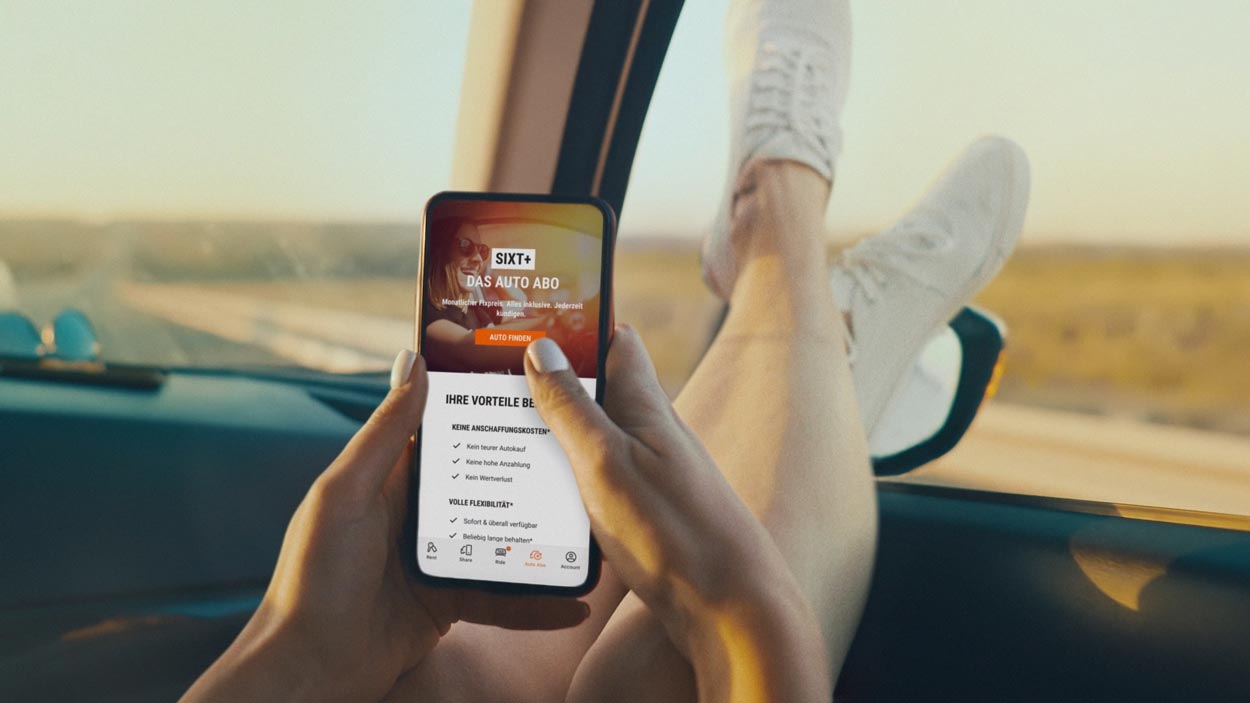
Think of it like Netflix, but for your driveway. Instead of buying or leasing, you pay a single monthly fee that bundles the car, insurance, maintenance, and often even roadside assistance into one neat package. Swap it out for a different model every few months if you want. No long-term loan, no arguing over trade-in value. It’s a fundamentally different relationship with the automobile.
Why Now? The Perfect Storm for Car Subscriptions
This isn’t just a random fad. Honestly, it’s a response to a shift in consumer attitudes and market realities. The traditional model of car ownership is, let’s face it, showing its age for a growing number of people.
For starters, vehicle prices have skyrocketed. The average new car loan now stretches well past $40,000, locking people into debt for years. Meanwhile, the allure of flexibility is huge. Our lives are less predictable. We move cities for jobs, our family needs change, and let’s be honest—we get bored. Committing to one car for a decade feels increasingly out of step.
Then there’s the tech factor. We’re all accustomed to subscription models for software, entertainment, and even groceries. The mental shift from owning an asset to accessing a service is already complete in other parts of our lives. The car was just… next in line.
How It Actually Works: The Nitty-Gritty
Okay, so it sounds good in theory. But what does a typical car subscription service look like in practice? Here’s the deal.
You sign up online, usually through an app or website. You’ll choose a plan—often tiered by vehicle type (e.g., sedan, SUV, premium). Your monthly fee, which can range from a few hundred to over a thousand dollars, covers almost everything except fuel and tolls.
What’s Usually Included in Your Monthly Fee:
- The Vehicle: A late-model, well-maintained car.
- Comprehensive Insurance: This is a huge perk, removing the hassle of shopping for separate coverage.
- Routine Maintenance: Oil changes, tire rotations, you name it.
- Roadside Assistance: Flat tire? Dead battery? Help is a call away.
- Flexibility: Many plans allow you to swap vehicles, often with a few weeks’ notice. Need an SUV for a ski trip? You can often make it happen.
It’s the bundling that’s magical. One payment, one point of contact. No more juggling bills from the insurer, the mechanic, and the bank.
Subscription vs. Lease: What’s the Real Difference?
This is where people get tripped up. “Isn’t this just a fancy lease?” Well, not quite. While both involve monthly payments, the experience is worlds apart.
| Factor | Traditional Lease | Car Subscription |
| Commitment | Typically 24-36 months, rigid. | Often month-to-month, or short 3-6 month terms. |
| Upfront Cost | First month, security deposit, fees (can be thousands). | Much lower, often just the first month. |
| Included Costs | Just the car. You source insurance & maintenance. | All-inclusive: car, insurance, maintenance. |
| Flexibility | Stuck with one car for the full term. | Option to swap vehicles is a core feature. |
| Process | Dealership, credit checks, lengthy paperwork. | Digital-first, streamlined approval. |
In short, a lease is a long-term rental of a specific car. A subscription is access to a service that provides mobility. It’s a subtle but powerful distinction.
The Flip Side: It’s Not for Everyone (Yet)
Let’s pump the brakes for a second. The model has its critics and real limitations. The cost, for one. On a pure monthly basis, a subscription is almost always more expensive than a traditional loan payment for the same car. You’re paying a premium for that flexibility and all-inclusive bundle.
There are also usage restrictions. Mileage caps are common, similar to leases. And while swapping cars is a cool feature, it’s not always instantaneous or free—there might be swap fees or waiting periods.
Finally, the market is still maturing. Major players like Volvo (Care by Volvo), Porsche (Porsche Drive), and Ford (Ford Drive) have their own programs. Then there are third-party platforms that aggregate cars from various brands. It’s a bit fragmented, and availability varies wildly by city.
Who’s It For, Then? The Ideal Subscriber
So who’s jumping on this trend? It’s a sweet spot for specific lifestyles.
- The Urban Professional: Someone who values convenience over cost, hates administrative hassles, and might not need a car every single day.
- The Life-Changer: Someone in a transitional phase—a new parent testing SUV life, a recent transplant unsure of their long-term needs, a remote worker who only needs a car occasionally.
- The Tech-Early Adopter: The person who loves the app-based, seamless experience and wants to drive the latest models with the newest tech.
- The Commitment-Phobe: Honestly, this is a valid one. Someone who simply doesn’t want to be tied down to a depreciating asset for years.
The Road Ahead: What This Means for the Future
The rise of subscription-based car ownership is more than a new way to pay for a car. It’s a signal. It tells us that the concept of “ownership” itself is evolving, especially for younger generations. For them, access often trumps possession.
This model also dovetails perfectly with the electric vehicle transition. Hesitant about EV range anxiety or charging infrastructure? Subscribe to an EV for 3 months and try it out without the lifelong commitment. It’s a low-risk gateway.
That said, the traditional dealership and loan model isn’t disappearing tomorrow. For high-mileage drivers, budget-focused families, or those who simply love their car, ownership still makes profound sense. But the landscape is now undeniably plural. We’re moving from a one-size-fits-all system to a menu of mobility options.
The car, that ultimate symbol of personal freedom and identity, is becoming something else—a service, a flexible tool, a temporary companion. Whether that feels liberating or a little impersonal depends on you. But one thing’s for sure: the keys to the future aren’t just metal anymore. They’re digital.


Happy
0 %

Sad
0 %

Excited
0 %

Sleepy
0 %

Angry
0 %

Surprise
0 %
 0
0
 0
0

More Stories
Winter Driving for Electric Vehicles: What You Need to Know
Let’s be honest—winter can be a bit of a drama queen for EV owners. You’ve heard the horror stories, right?...
Classic Car Electric Conversion Kits: The Future Meets the Past
There’s something magical about a classic car. The smell of old leather. The way the dashboard glows. The sound... well,...
The impact of vehicle-to-grid (V2G) technology on home energy management
Imagine your car isn't just sitting in your driveway, sipping electricity. Imagine it's a giant, rolling battery pack—a power bank...
The impact of vehicle-to-grid (V2G) technology on home energy management
Imagine your electric car isn't just sitting in your driveway, sipping power. Imagine it's a giant, mobile battery pack—a silent...
Retrofitting Classic Cars with Modern Electric Powertrains: A New Heart for an Old Soul
The gentle rumble of a V8, the scent of petrol and warm oil—these are the sensory signatures of a classic...
Micro-mobility Integration with Personal Vehicles: The Future of Your Door-to-Door Journey
Let's be honest. The last mile of any trip is often the most frustrating. You know the drill—you drive to...
Average Rating