
How Over-the-Air Software Updates Are Changing Used Car Values

Read Time:4 Minute, 49 Second
Picture this. You buy a used car, drive it home, and the next morning it has a new feature you didn’t pay for. Sounds like a dream, right? Well, that’s basically what over-the-air software updates have done to the automotive world. And honestly, it’s turning the used car market on its head.
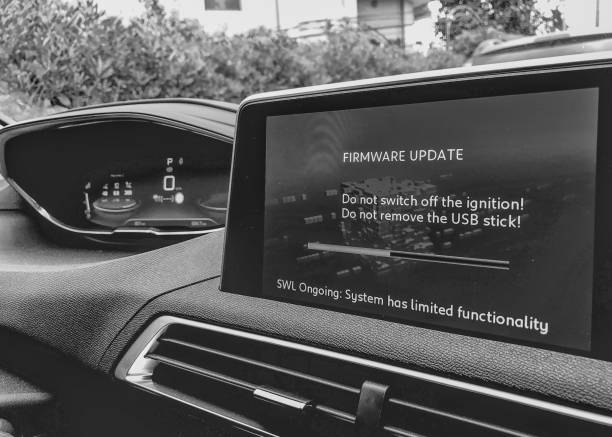
For decades, a car’s value only went one direction after it left the lot — down. Miles piled up, warranties expired, and whatever tech it had on day one was pretty much what you were stuck with. But OTA updates, which are basically wireless software downloads like the ones your phone gets, are rewriting that script. Suddenly, a three-year-old EV can gain range, safety features, or even better infotainment without ever visiting a dealership.
That’s a big deal. A really big deal, actually.
What Exactly Is an Over-the-Air Update?
Let’s keep this simple. An over-the-air update is a remote software upgrade delivered through a cellular or Wi-Fi connection. Instead of plugging a car into a diagnostic tool at a service bay, the manufacturer pushes code straight to the vehicle. Think of it like your smartphone updating overnight while you sleep — except the “phone” weighs two tons and has heated seats.
These updates can touch almost anything:
- Battery management and estimated range (huge for EVs)
- Infotainment systems, navigation, and voice assistants
- Advanced driver assistance features like lane keeping or adaptive cruise
- Performance tweaks — yes, some cars actually get faster
- Bug fixes and security patches
Tesla popularized the concept, but now Ford, GM, Hyundai, Rivian, BMW, and plenty of others are in the game. And that shift is quietly reshaping what a used car is actually worth.
Why This Matters for Used Car Values
Traditionally, depreciation followed a predictable curve. Drive a new car off the lot and you lose 20% almost instantly. After five years, you’re looking at maybe 40–50% of the original price, depending on the model. It’s brutal but predictable.
OTA updates throw a wrench into that math. Here’s why.
1. Cars Get Better With Age (Sort Of)
A 2021 model that received a software update in 2024 might have features that didn’t exist when it was built. That’s unheard of in the old world. A used buyer isn’t just getting the car as it was — they’re getting the car as it is now. And sometimes “now” is meaningfully better.
Take Tesla’s range updates. Some owners have reported gaining 20–30 miles of range through software alone. That’s not marketing fluff; that’s real value baked into the resale price.
2. Feature Gaps Between Model Years Shrink
Used to be, a 2020 model and a 2022 model of the same car felt worlds apart. Now? They might run nearly identical software. That compresses the price gap between model years, which can lift values for older vehicles — or, depending on the brand, tank values for newer ones that no longer stand out.
3. Buyers Are Starting to Ask About Software History
This is a newer trend, but it’s growing. Smart used car shoppers now want to know: Has this vehicle been kept up to date? Is it still receiving OTA support? If a manufacturer stops pushing updates, that car suddenly feels a lot older than its mileage suggests.
Software support lifespan is becoming as important as mechanical reliability.
The Flip Side: When OTA Updates Hurt Value
Not everything is sunshine and free horsepower. OTA updates can also drag values down, and it’s worth being honest about that.
- Subscription paywalls: Some features arrive via update but require a monthly fee. Used buyers hate that.
- Bricked or buggy updates: A bad update can disable features or strand a car. That’s a reputational hit.
- End-of-support cliffs: When a maker stops updating a model, resale prices can drop fast.
- Hardware limits: Older cars may not have the sensors or chips to run new software, creating a “haves vs. have-nots” divide.
So it’s not a magic wand. It’s more like a double-edged sword that rewards well-supported vehicles and punishes abandoned ones.
A Quick Look at the Numbers
Exact figures vary by brand and region, but the trend is clear. Here’s a rough snapshot of how OTA capability is influencing resale perception:
| Factor | Impact on Used Value |
|---|---|
| Active OTA support | Positive — can add 5–15% in some segments |
| No OTA capability | Neutral to negative as buyers expect it |
| Subscription-only features | Mixed — can deter budget-conscious buyers |
| Discontinued updates | Negative — accelerates depreciation |
| Major feature unlocks | Strongly positive |
These aren’t hard rules. But they reflect what dealers, auction houses, and online marketplaces are starting to factor in.
What This Means for Buyers and Sellers
If you’re selling a used car, here’s the deal: document your software updates. Seriously. Keep a record. A buyer who sees a well-maintained update history feels a lot more confident than one staring at a mystery.
If you’re buying, ask three questions:
- Is this vehicle still receiving OTA updates?
- Are any features locked behind a subscription?
- Has the manufacturer committed to a support timeline?
Those answers can swing the value of a car by thousands. And most people still don’t ask. That’s an opportunity, honestly — for both sides of the transaction.
The Bigger Picture
We’re moving toward a world where cars are less like appliances and more like platforms. A vehicle’s value won’t just be about mileage, accident history, or service records. It’ll be about how alive its software is. How connected. How supported.
That’s a fundamental shift in how we think about depreciation. And it’s happening quietly, update by update, while most of the market is still catching up.
In a few years, “Does it still get updates?” might be the first question anyone asks at a used car lot. And the answer could be worth more than the odometer reading.


Happy
0 %

Sad
0 %

Excited
0 %

Sleepy
0 %

Angry
0 %

Surprise
0 %
 0
0
 0
0

More Stories
Car Subscription Services vs Long-Term Rental for Digital Nomads
You're packing your laptop, your noise-canceling headphones, and that lucky travel mug. You've got a co-working space lined up in...
EV Charging Etiquette for Apartment Dwellers: A Practical Guide
So, you’ve made the leap to an electric vehicle while living in an apartment complex. Good for you — seriously....
Solar-Powered Car Accessories for Reducing Grid Dependency
You know that feeling—pulling into a gas station or plugging in your EV, watching your money drain away. The grid...
The Rise of Micro-Mobility and Car Integration: Redefining Urban Living
Let’s be honest. For decades, the car was king in the city. It was a symbol of freedom, a personal...
Comprehensive Analysis of Subscription-Based Car Ownership Models
Let's be honest. The idea of owning a car—the loan, the rapid depreciation, the surprise repair bill—is starting to feel...
Your Car, Your Command Center: Integrating Smart Home Tech with Your Vehicle
Imagine this: you're ten minutes from home after a long day. With a tap on your car's dashboard screen—or even...
Average Rating