
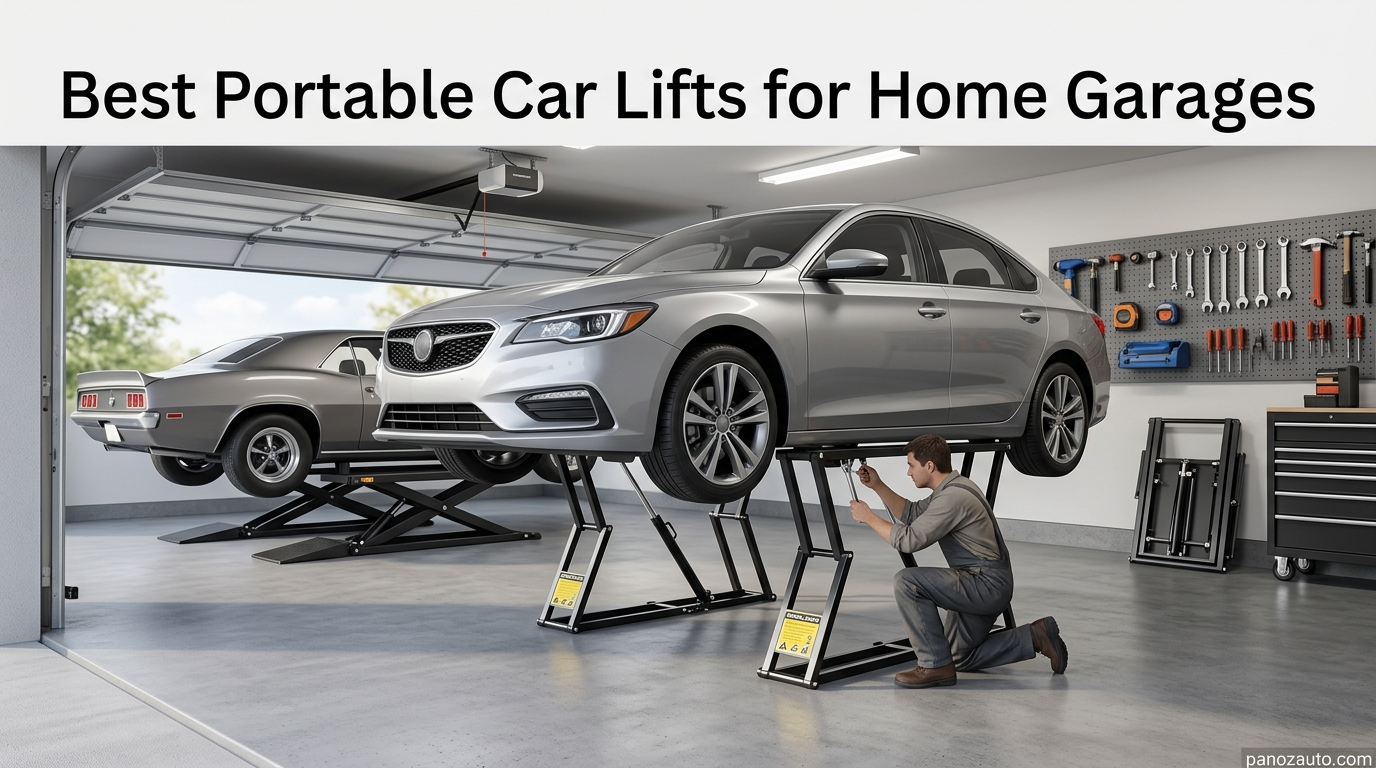
Smart parking solutions for city dwellers with classic cars

Read Time:7 Minute, 29 Second
Let’s be honest—owning a classic car in a bustling city is a bit like having a pet tiger. It’s gorgeous, it turns heads, and frankly, it’s a whole lot of responsibility. You’ve got the maintenance, the insurance, the constant worry about door dings… but the real nightmare? Parking.
I get it. You didn’t buy a 1967 Mustang or a vintage Porsche 356 to spend your weekends circling blocks like a vulture. But here’s the thing: smart parking technology has evolved faster than a 427 big-block on a straightaway. And no, I’m not just talking about those generic parking apps that show you a random garage. I’m talking about tailored solutions that treat your baby like the princess she is.
Why traditional parking apps fail classic car owners
Most modern parking apps are built for commuters in Corollas. They care about price and proximity. You care about ceiling height, security cameras, and whether the guy in the next spot is going to swing his door open like a barn door. Seriously—have you seen the average driver lately? They don’t even look before they open.
Standard apps don’t let you filter for width of the parking space or whether the facility has 24/7 human supervision. And forget about finding a spot that isn’t next to a pillar, or worse, a cart return. That’s where the new wave of niche, sensor-driven platforms comes in. They’re not just solving a parking problem; they’re solving a preservation problem.
The real deal: sensor-based reservation systems
Here’s where it gets interesting. Smart parking solutions for city dwellers with classic cars are moving beyond the “find me a spot” model. We’re talking about pre-booking a specific, measured bay. Using in-ground magnetic sensors and overhead LiDAR, certain premium garages now offer real-time data on not just occupancy, but the dimensions of the empty space.
Imagine pulling up to a garage in downtown Chicago. Your phone buzzes. “Spot 47B is available. Width: 9.2 feet. Height clearance: 7 feet. Concrete floor, no oil stains. Adjacent space is occupied by a motorcycle.” That’s not science fiction—that’s the current generation of IoT (Internet of Things) parking infrastructure. And honestly, it’s a game-changer for anyone who flinches at the sound of a shopping cart.
Security features that actually matter
Parking a classic isn’t just about avoiding a scratch. It’s about theft deterrence. You know the drill: you park your ’69 Camaro, walk away, and spend the next hour wondering if the valet is taking it for a joyride. Smart parking changes that narrative.
Look for facilities that integrate automatic license plate recognition (ALPR) and geofenced alerts. These systems send you a notification if your car moves an inch after you’ve locked it. Some high-end lots even have thermal cameras that detect human presence near your vehicle after hours, triggering a silent alarm to on-site security. That’s not just smart—that’s peace of mind in a concrete box.
Dynamic pricing and the “classic car discount”
We all know city parking is robbery—sometimes legalized robbery. But smart systems use dynamic pricing based on demand, which can work in your favor. If you’re flexible with your arrival time, you can snag a premium spot at 60% off the peak rate. Some apps even partner with classic car clubs to offer verified owner discounts.
Here’s a pro tip: set alerts for off-peak hours. If you’re heading to a show or a dinner, aim to arrive before 5:30 PM or after 8 PM. The smart pricing algorithms drop rates drastically when foot traffic dies down. You save money, and your car gets a quieter, safer bay. Win-win.
Navigating narrow streets and low clearances
Let’s talk about the elephant in the room—or rather, the long hood in the narrow alley. Classic cars often have wider hips and lower roofs than modern crossovers. Smart parking apps now include route planning for oversized or low-profile vehicles. They use mapping data that flags low bridges, tight turns, and weight-restricted ramps.
I remember once trying to get a 1974 Jaguar E-Type into a basement garage in Boston. The app said “clearance 6’2”.” My car? 6’1” with a new antenna. That inch felt like a foot. Now, newer systems let you input your exact vehicle dimensions, and they’ll literally reroute you to a garage with a truck-height entry. It’s a small feature, but it saves you from that gut-wrenching sound of metal scraping concrete.
The rise of private peer-to-peer parking
This is my favorite trend. Forget commercial garages for a second. Peer-to-peer parking platforms—think Airbnb for your driveway—are booming. For classic car owners, this is gold. You’re not parking next to a minivan with sliding doors. You’re parking in a retired mechanic’s heated garage or a collector’s empty bay.
These platforms often let you message the host directly. Ask questions like, “Is the floor epoxy-coated?” or “Any cats around?” (Cats love warm engines, by the way—they’ll nap on your hood if given the chance). The smart part? Most of these listings include smart locks and camera feeds, so you can monitor your car remotely. It’s community-driven, cost-effective, and infinitely more charming than a concrete monolith.
What about the tech in your car itself?
Now, I’m not suggesting you rip out the carburetor and install a Tesla screen. But adding a discreet GPS tracker with parking mode is a no-brainer. Some trackers—like the ones from companies such as Bouncie or Moove—have a feature that alerts you if your car is bumped or towed. Pair that with a smart parking app, and you have a digital security blanket.
And don’t forget the old-school trick: leave a Bluetooth beacon in the glovebox. Some smart garages use beacon triangulation to guide you back to your exact spot via an app. You’ll never wander around a confusing level 3B again, squinting at pillar numbers. Honest to God, that alone is worth the subscription fee.
A quick comparison: traditional vs. smart parking
| Feature | Traditional Garage | Smart Parking Solution |
|---|---|---|
| Space dimensions known in advance | No | Yes (sensor data) |
| Security alerts for movement | Rare | Real-time push notifications |
| Low clearance alerts | No | Yes (route-based) |
| Peer-to-peer options | No | Yes |
| Dynamic pricing | Flat rate | Off-peak discounts |
| Specific bay reservation | Uncommon | Guaranteed |
That table says it all, doesn’t it? The gap isn’t just about convenience—it’s about control. You’re no longer at the mercy of a bored attendant who parks by feel.
Practical steps to get started today
Alright, let’s get down to brass tacks. Here’s how you can upgrade your parking game this week:
- Download a niche app like SpotHero or ParkWhiz and filter by “oversized vehicle” or “classic car friendly.”
- Measure your car’s exact height and width—including mirrors—and save it in the app’s vehicle profile.
- Look for garages with “valet-free” self-parking options. You want to park it yourself, always.
- Join a local classic car club’s private forum; members often share secret spots and even rent out their own garages.
- Invest in a smart dash cam with parking mode that records motion events while you’re away.
These steps aren’t rocket science, but they require a shift in mindset. You’re not just looking for a hole to park in—you’re looking for a temporary sanctuary for a machine that matters.
The future is already here (and it’s oddly satisfying)
We’re moving toward fully automated valet systems in some cities. You drop your car at a designated zone, a robotic trolley lifts it, and it’s stored in a climate-controlled pod. No doors to ding, no exhaust fumes, no random strangers. For a classic car owner, that’s the holy grail. But even before that becomes mainstream, the current suite of smart parking solutions offers something we never had before: agency.
You choose the spot. You know the dimensions. You get the alerts. You set the price. It’s a quiet revolution, honestly—one that doesn’t make headlines but saves you from heartbreak. Because let’s face it, a scratch on a 50-year-old door panel isn’t just a scratch. It’s a story you’ll tell with a grimace for years.
So next time you fire up that straight-six or that rumbling V8, don’t dread the destination. Let the tech do the worrying. Your car has survived decades of bad drivers and worse weather. It deserves a parking spot that respects its history. And now, for the first time, you can actually find one.
It’s not about being fancy. It’s about being smart—and a little bit stubborn. Just like the cars we love.


Happy
0 %

Sad
0 %

Excited
0 %

Sleepy
0 %

Angry
0 %

Surprise
0 %
 0
0
 0
0
More Stories
Overlanding Vehicle Modifications for Remote Work and Digital Nomad Lifestyles
Picture this: you’re parked on a bluff overlooking the Pacific, laptop open, coffee steaming, and a client call starting in...
Winter Driving for Electric Vehicles: What You Need to Know
Let’s be honest—winter can be a bit of a drama queen for EV owners. You’ve heard the horror stories, right?...
Classic Car Electric Conversion Kits: The Future Meets the Past
There’s something magical about a classic car. The smell of old leather. The way the dashboard glows. The sound... well,...
The impact of vehicle-to-grid (V2G) technology on home energy management
Imagine your car isn't just sitting in your driveway, sipping electricity. Imagine it's a giant, rolling battery pack—a power bank...
The impact of vehicle-to-grid (V2G) technology on home energy management
Imagine your electric car isn't just sitting in your driveway, sipping power. Imagine it's a giant, mobile battery pack—a silent...
The Rise of Subscription-Based Car Ownership: Is It the End of the Traditional Dealership?
You know that feeling. The one you get when you walk into a car dealership. The pressure, the confusing financing...
Average Rating