
Cargo Bike Lifestyle for Families and Deliveries: The Two-Wheeled Revolution Nobody Saw Coming

Read Time:4 Minute, 39 Second
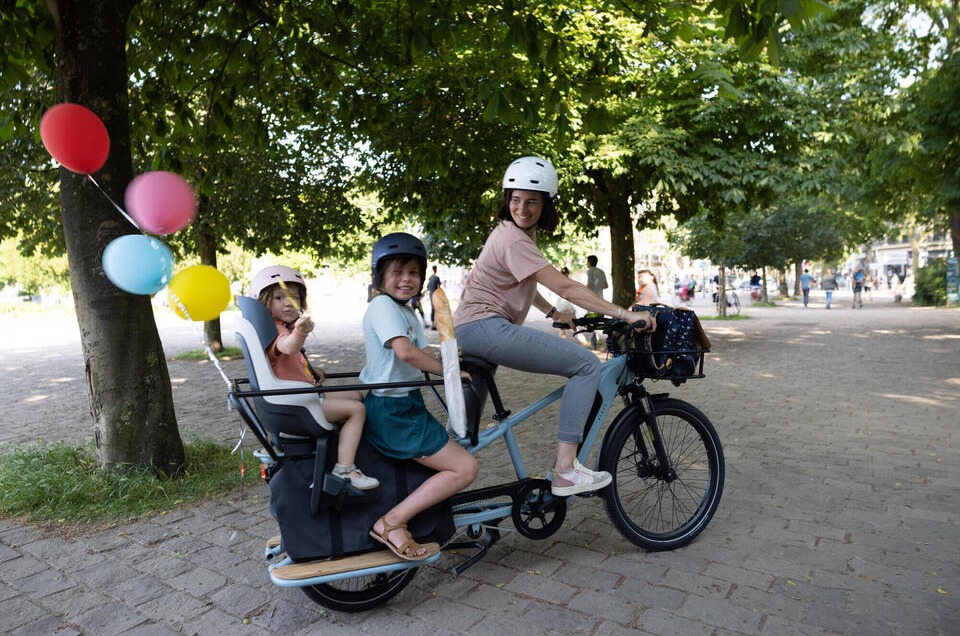
Remember when a bike was just… a bike? You know, something with two wheels, a chain that occasionally slipped, and a seat that made you question your life choices after mile ten. Well, things have changed. The cargo bike has quietly morphed from a niche European curiosity into a full-blown lifestyle shift — one that’s reshaping how families shuttle kids to school and how small businesses move goods through city streets.
Honestly, I was skeptical at first. A bike that costs as much as a used car? Carrying two toddlers and a week’s groceries? Sure. But then you watch a parent glide past a line of idling SUVs, kids laughing in the front bucket, and something clicks. This isn’t a fad. It’s a genuinely practical answer to some very modern problems.
Why Cargo Bikes Suddenly Make Sense
Let’s be real about the pain points. Traffic congestion keeps getting worse. Parking costs a fortune in most cities. Gas prices fluctuate like a bad mood. And, well, there’s that nagging feeling that we should probably reduce our carbon footprint — if not for the planet, then at least for our own sanity during rush hour.
Cargo bikes sidestep all of that. They park anywhere. They slip through gridlock. They cost pennies to “fuel” — just your breakfast, really. And they turn a mundane commute into something that feels, dare I say, enjoyable.
Here’s a stat worth chewing on: in several European cities, cargo bike sales have outpaced electric car sales for urban family transport. That’s not a typo. The revolution is quiet, but it’s rolling.
The Family Side of the Story
School Runs Without the Stress
If you’ve ever done the school drop-off dance — circling the block, fighting for a spot, ushering kids across a chaotic crosswalk — you know the drill. A cargo bike flips that script. You pull right up to the gate. Kids hop out. You’re gone before the minivan three cars back has even found reverse.
And the kids? They love it. There’s something about riding up front, wind in their faces, that beats staring at the back of a headrest. It becomes a little adventure, every single morning.
Errands Become Outings
Grocery runs, library trips, playdates — all of it gets easier when you’re not hunting for parking. A decent longtail or box bike can haul 150 to 250 pounds of cargo, which covers most family needs. Sure, you won’t be bringing home a new sofa. But a week’s worth of groceries? Two kids and a dog? Absolutely.
The Delivery Angle: Small Business Gold
Now here’s where things get interesting for entrepreneurs. Last-mile delivery is the most expensive, most congested, most frustrating part of logistics. Cargo bikes eat that problem for breakfast.
In dense urban areas, a cargo bike can often complete deliveries faster than a van. No parking tickets. No circling. No fuel costs. For local bakeries, florists, coffee roasters, and pharmacies, it’s a no-brainer.
| Delivery Method | Parking Hassle | Fuel Cost | Urban Speed |
|---|---|---|---|
| Cargo Van | High | High | Slow in traffic |
| Car | High | Medium | Slow in traffic |
| Cargo Bike | Almost none | Zero | Often fastest |
That said, cargo bikes aren’t magic. Rain happens. Hills exist. And there’s a learning curve — you don’t just hop on a loaded box bike and ride off like a Tour de France champ. But once you get the hang of it, the efficiency gains are real.
Choosing the Right Cargo Bike
There’s no one-size-fits-all here. The market has exploded, which is great — and slightly overwhelming. Let’s break it down.
- Longtail bikes: Longer rear rack, narrower profile, great for kids and moderate cargo. Feels more like a regular bike.
- Front-loading box bikes (bakfiets): Big bucket up front. Excellent for multiple kids or bulky deliveries. Heavier, but stable.
- Mid-tail and compact models: A middle ground. Easier to store, still capable.
- Electric vs. acoustic: E-assist is a game-changer for hills, heavy loads, and sweaty commutes. Worth the extra cost for most people.
Test ride before you buy. Seriously. What feels great in a parking lot might feel like a barge on your actual route.
The Lifestyle Shift Nobody Talks About
Here’s the thing they don’t tell you in the brochures: cargo bikes change your relationship with your neighborhood. You notice things. The bakery you’d driven past a hundred times. The neighbor who always waves. The shortcut through the park you never knew existed.
It’s slower than a car, sure. But it’s faster than walking, cheaper than driving, and — honestly — more fun than both. There’s a reason families who make the switch rarely go back.
Practical Tips Before You Dive In
- Measure your storage space — these bikes are long.
- Check local laws about e-bike power limits and where you can ride.
- Budget for accessories: rain covers, locks, child seats, panniers.
- Start with shorter trips to build confidence.
- Find a local cargo bike group — the community is genuinely helpful.
Where This Is All Heading
Cities are changing. Congestion charges, low-emission zones, bike lane expansions — the infrastructure is catching up to the idea that not every trip needs four wheels and a ton of metal. Cargo bikes sit right at that intersection of practicality and possibility.
Maybe you’re not ready to sell the car. Fine. But the next time you’re stuck in traffic, watching a parent pedal past with two kids and a bag of apples, you might feel a small tug. That tug is worth listening to.
The cargo bike lifestyle isn’t about sacrifice. It’s about trading a little speed for a lot of life. And in a world that keeps speeding up, that trade might just be the smartest one we make.


Happy
0 %

Sad
0 %

Excited
0 %

Sleepy
0 %

Angry
0 %

Surprise
0 %
 0
0
 0
0
More Stories
Bike Commuting Safety Tech and Smart Gear: The Modern Rider’s Arsenal
Remember when commuting by bike meant little more than a helmet, a flickering red light, and a silent prayer at...
Cargo Bike Conversion for Family Transportation: The Ultimate (and Honest) Guide
So, you’re thinking about swapping the minivan for something with two wheels and a whole lot more soul. Honestly, I...
DIY Bike Maintenance for Hydraulic Disc Brakes at Home: A Real-World Guide
Let’s be honest — hydraulic disc brakes are a bit intimidating at first. All that fluid, the bleeding process, the...
Cargo Bike Family Safety Tips: Ride Confident, Ride Together
Look, I get it. You’ve just dropped a small fortune on a cargo bike — that beautiful, boxy beast that...
Sustainable Practices in Bicycle Maintenance and Repair: A Greener Spin on Keeping Your Bike Rolling
Let’s be honest. When we think about the eco-friendly nature of cycling, we picture clean air, quiet streets, and a...
Adaptive Cycling: Unlocking Freedom on Two (or Three, or Four) Wheels
There’s a feeling you get on a bike. The wind in your face, the rhythm of your legs, that sense...
Average Rating