
Bike Commuting Safety Tech and Smart Gear: The Modern Rider’s Arsenal

Read Time:5 Minute, 41 Second
Remember when commuting by bike meant little more than a helmet, a flickering red light, and a silent prayer at every intersection? Yeah, things have changed. Honestly, the gear available today feels less like cycling accessories and more like a suit of armor designed by a tech startup. And you know what? That’s a good thing, because city streets haven’t exactly gotten friendlier.
Whether you’re a daily commuter logging 10 miles each way or someone testing the waters with a two-mile ride to the office, the right tech can mean the difference between a close call and a catastrophe. Let’s dive into the safety tech and smart gear that’s actually worth your attention — no gimmicks, just stuff that works.
Why Smart Gear Matters More Than Ever
Here’s the deal: cyclist fatalities in urban areas have been creeping upward in recent years, even as cities add bike lanes and lower speed limits. Distracted driving is a big culprit. So is the rise of e-bikes, which put more riders — many of them less experienced — on the road at higher speeds.
In fact, a 2023 report from the National Highway Traffic Safety Administration noted that pedalcyclist deaths rose roughly 2% year over year. That’s not meant to scare you off the saddle. It’s meant to underline a simple truth: visibility and awareness are no longer optional. They’re the whole game.
Smart Helmets: Your Brain’s Best Friend
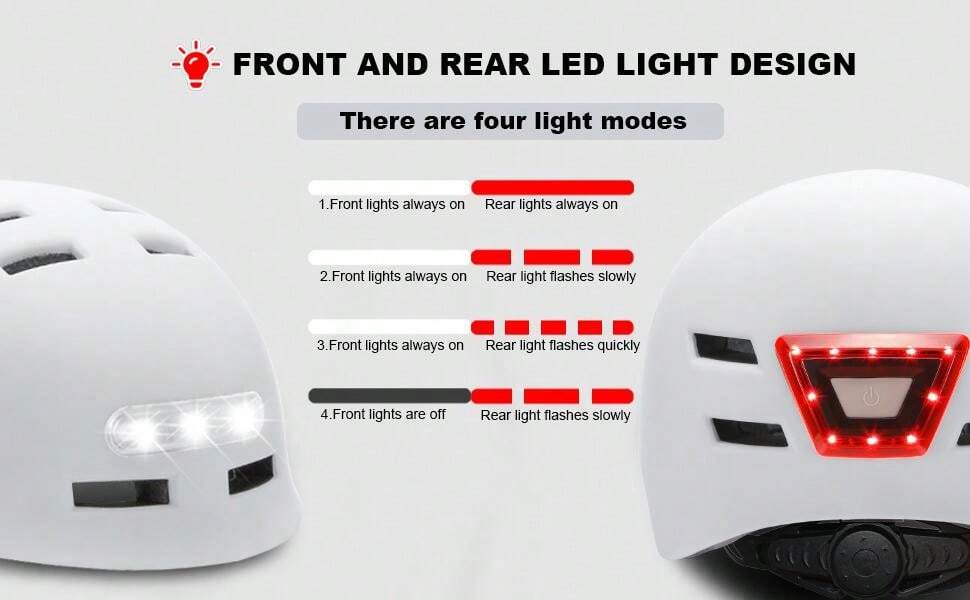
The humble helmet has evolved. Today’s smart helmets pack sensors, lights, and even crash detection. Take models like the Lumos Ultra or the Unit 1 Faro — they integrate turn signals and brake lights directly into the shell. Drivers behind you see your intentions before you even lift a hand.
Some helmets go further. Built-in accelerometers can detect a crash and send an SOS alert to your emergency contacts via a paired smartphone app. That feature alone… well, it’s the kind of thing you hope you never need. But if you do, it’s priceless.
What to Look For in a Smart Helmet
- Integrated lights: Front, rear, and turn signals for 360-degree visibility.
- Crash detection: Automatic alerts to emergency contacts.
- Battery life: At least 8–10 hours for a full commute week.
- Comfort and weight: A heavy helmet you dread wearing is a helmet you won’t wear.
- App compatibility: iOS and Android support, plus regular firmware updates.
Bike Lights That Demand Attention
Gone are the days of a single AAA-powered blinker. Modern bike lights use high-lumen LEDs, smart sensors, and even radar. Yes, radar.
The Garmin Varia series, for example, pairs with your bike computer or phone to detect vehicles approaching from behind. It then alerts you — visually and audibly — and adjusts its own flash pattern as the car gets closer. It’s like having a rearview mirror that never blinks.
And let’s not forget daytime running lights. Studies suggest that a flashing front light during the day can reduce accident risk significantly. Sure, it looks a little dorky to some. But dorky beats invisible every single time.
Smart Clothing and Wearables
Your jacket can now signal your turns. Companies like Wearable X and Lumenus make jackets and vests with embedded LEDs that respond to your body movements or sync with your bike’s turn signals. It sounds futuristic, but it’s here — and it’s surprisingly practical on dark winter commutes.
Then there are smartwatches and fitness trackers with cycling-specific safety features. The Apple Watch, for instance, offers fall detection and can call emergency services if you’re unresponsive. Garmin watches have incident detection that triggers when you suddenly stop moving. These aren’t bike-specific, but they seamlessly fill the safety gap.
A Quick Comparison of Smart Wearables
| Device | Key Safety Feature | Battery Life | Best For |
|---|---|---|---|
| Apple Watch Series 9 | Fall detection, SOS | ~18 hours | All-around commuters |
| Garmin Venu 3 | Incident detection | Up to 14 days | Data-driven riders |
| Lumenus Smart Jacket | LED turn signals | ~10 hours | Night commuters |
| Wearable X Nadi X | Haptic feedback | ~8 hours | Yoga/cycling crossover |
Bike-Mounted Tech: Radar, Cameras, and More
If you want the full suite, consider a bike radar system. We mentioned Garmin Varia, but there are others like the Bryton Gardia R300. These units mount under your saddle and detect cars up to 150 yards away. They’re not cheap, but they’re cheaper than a hospital visit.
Action cameras are another smart addition. A GoPro or Cycliq Fly12 serves two purposes: it documents your ride (great for insurance claims or police reports) and its flashing light mode adds visibility. Some models even have automatic incident recording, so you don’t have to remember to hit record.
Smart Locks and Anti-Theft Tech
Safety isn’t just about crashes. It’s also about keeping your ride from vanishing while you’re grabbing coffee. Smart locks like the ABUS Bordo SmartX or the Noke U-Lock use Bluetooth and alarms. Some send a push notification if someone jostles your bike. Others have GPS tracking built in.
And then there are hidden trackers — Apple AirTags or Tile devices tucked under the saddle. They’re not foolproof, but they’ve helped plenty of riders recover stolen bikes. Honestly, for $30, it’s a no-brainer.
The Human Element: Apps and Community
Tech is great, but it doesn’t replace awareness. Apps like Strava have heatmaps showing where cyclists ride most — and where accidents cluster. Some cities use these to plan bike lanes. You can also use apps like Ride with GPS to share your live location with a partner or friend.
And hey, don’t underestimate the power of a simple wave or nod to a fellow commuter. Community makes streets safer, too. That’s not tech, but it’s smart.
Balancing Cost and Safety
You don’t need every gadget. Start with the essentials: a good helmet, front and rear lights, and a bell. Then add as your budget and commute demands. A $200 smart helmet might be overkill for a 1-mile ride on protected paths. But for a 12-mile slog through downtown traffic? It’s a wise investment.
Think of it like this: you insure your car. You insure your home. Why wouldn’t you invest a fraction of that in the thing that keeps you alive on two wheels?
Final Thoughts: Ride Smart, Not Scared
The best safety tech fades into the background. You forget you’re wearing it. You forget it’s blinking. You just ride. And that’s the point — gear that lets you focus on the wind, the rhythm, the coffee waiting at the end of your route.
So sure, the streets can be chaotic. Drivers can be distracted. But with the right mix of smart gear and street smarts, you’re not just surviving the commute. You’re owning it.


Happy
0 %

Sad
0 %

Excited
0 %

Sleepy
0 %

Angry
0 %

Surprise
0 %
 0
0
 0
0
More Stories
Cargo Bike Lifestyle for Families and Deliveries: The Two-Wheeled Revolution Nobody Saw Coming
Remember when a bike was just... a bike? You know, something with two wheels, a chain that occasionally slipped, and...
Cargo Bike Conversion for Family Transportation: The Ultimate (and Honest) Guide
So, you’re thinking about swapping the minivan for something with two wheels and a whole lot more soul. Honestly, I...
DIY Bike Maintenance for Hydraulic Disc Brakes at Home: A Real-World Guide
Let’s be honest — hydraulic disc brakes are a bit intimidating at first. All that fluid, the bleeding process, the...
Cargo Bike Family Safety Tips: Ride Confident, Ride Together
Look, I get it. You’ve just dropped a small fortune on a cargo bike — that beautiful, boxy beast that...
Sustainable Practices in Bicycle Maintenance and Repair: A Greener Spin on Keeping Your Bike Rolling
Let’s be honest. When we think about the eco-friendly nature of cycling, we picture clean air, quiet streets, and a...
Adaptive Cycling: Unlocking Freedom on Two (or Three, or Four) Wheels
There’s a feeling you get on a bike. The wind in your face, the rhythm of your legs, that sense...
Average Rating