
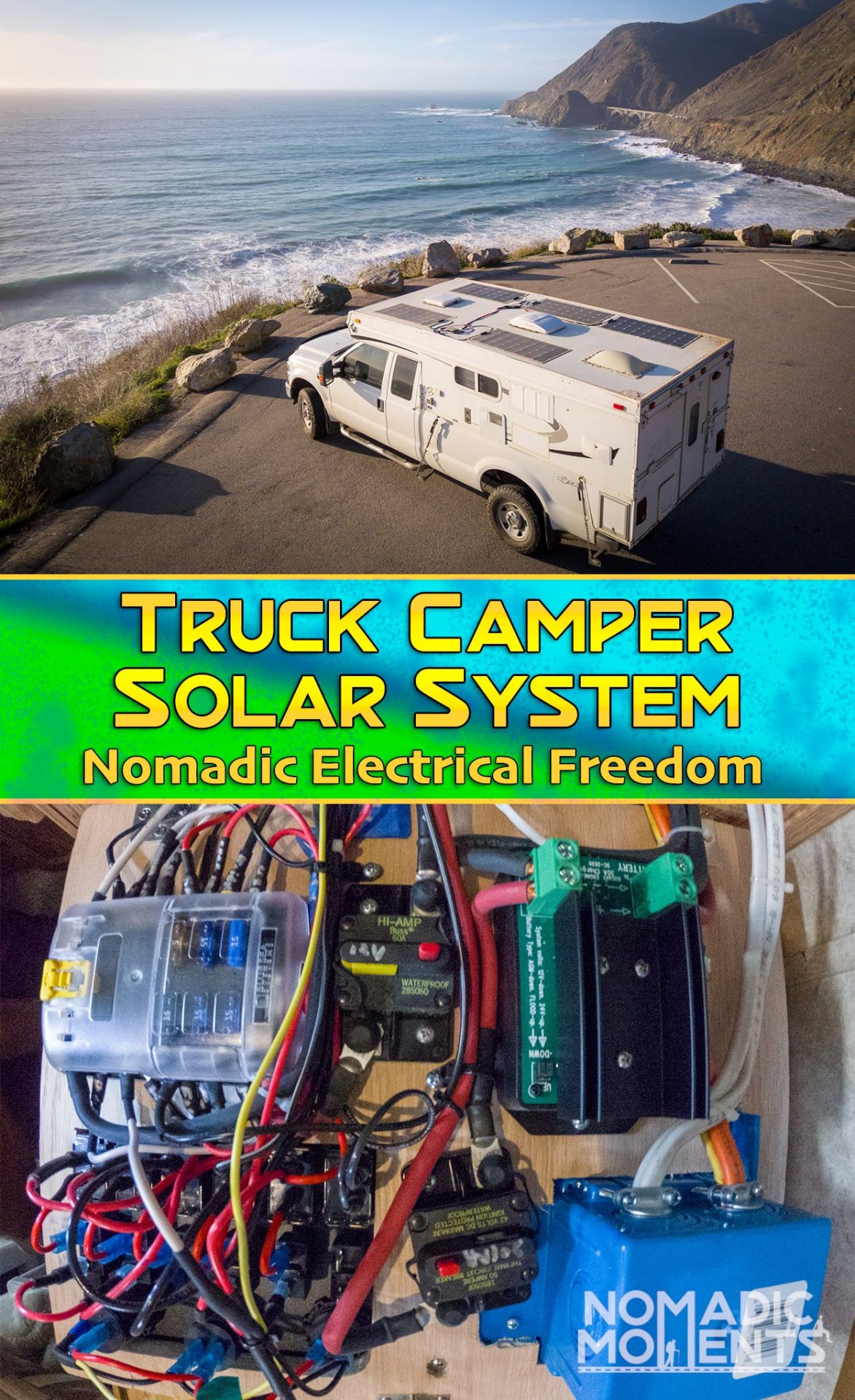
Integrating Renewable Energy Systems for Off-Grid Truck Living

Read Time:6 Minute, 35 Second
Let’s be real—living off-grid in a truck sounds romantic. The open road, the freedom, the… sudden dead battery at 2 AM in a forest. That last part? Yeah, not so romantic. But here’s the deal: with the right renewable energy system, you can avoid that nightmare. And honestly, it’s easier than you think.
We’re talking solar panels, wind turbines, maybe even a little hydro if you’re near a stream. But integrating these systems into a truck—a space that’s already cramped and power-hungry—takes some planning. Not rocket science, but close. Let’s break it down.
Why Go Renewable in a Truck? (Spoiler: It’s Not Just About the Planet)
Sure, saving the environment is a nice bonus. But for most truck dwellers, it’s about independence. No more hunting for RV hookups. No more generator fumes. No more worrying if that remote campsite has power.
Plus, renewable energy is quiet. Like, really quiet. Solar panels hum? They don’t. Wind turbines? A gentle whisper. Compare that to a gas generator roaring at 7 AM… yeah, your neighbors will thank you.
The Pain Points: What Most People Get Wrong
I’ve seen it a hundred times. Someone buys a 400-watt solar kit, slaps it on their truck roof, and thinks they’re set. Then they try to run a fridge, a laptop, and a coffee maker—and poof. Dead batteries by noon.
Here’s the thing: sizing matters. You can’t just guess. You need to calculate your daily energy use, factor in seasonal sun hours, and account for inefficiencies. And that’s just the start.
The Core Components: What You Actually Need
Okay, let’s get into the nuts and bolts. A reliable off-grid truck system has four main parts. Think of them like the organs of a body—each one has a job, and if one fails, the whole thing gets sick.
- Solar Panels – Your primary energy source. Monocrystalline panels are best for trucks—they’re efficient and take up less space.
- Charge Controller – Prevents overcharging. MPPT controllers are pricier but way more efficient than PWM. Trust me on this.
- Battery Bank – Stores energy for night and cloudy days. Lithium iron phosphate (LiFePO4) is the gold standard now. Lighter, longer-lasting, safer.
- Inverter – Converts DC battery power to AC for your appliances. Pure sine wave inverters are non-negotiable for sensitive electronics.
Oh, and wiring. Don’t skimp on wiring. Undersized cables cause voltage drop and fires. Use marine-grade, tinned copper wire. Your future self will thank you.
Solar vs. Wind for a Truck: The Honest Comparison
Most people default to solar. Makes sense—it’s simple, silent, and the tech has gotten cheap. But wind turbines have a place, especially if you live in a windy area (like the Great Plains or coastal regions).
That said, wind on a truck is tricky. Turbines need steady wind, and they can be noisy if not mounted properly. Plus, they add weight and height. For most truck dwellers, solar is the winner. But if you’re parked in a windy spot for weeks? A small 400-watt turbine can supplement nicely.
| Feature | Solar Panels | Wind Turbine |
|---|---|---|
| Best for | Sunny, open areas | Windy, exposed locations |
| Noise | Silent | Low hum (can be annoying) |
| Space needed | Roof or ground deploy | Mast or roof mount |
| Cost per watt | ~$1–$2 | ~$3–$5 |
| Maintenance | Almost none | Bearings, blades, wiring |
Honestly, a hybrid setup—small solar array plus a tiny wind turbine—can be a game-changer if you’re mobile. But most folks just stick with solar and a beefy battery bank. That’s fine too.
Step-by-Step: How to Integrate It All in Your Truck
Alright, let’s get practical. You’ve got the components. Now how do you wire this beast without blowing a fuse?
First, map out your truck’s roof. Measure the flat space. Most truck caps have about 40–60 square feet. You can fit maybe 300–600 watts of solar up there. If you need more, consider ground-deployable panels—they fold up and store when driving.
Next, plan your battery location. Under the bed? In a side compartment? Lithium batteries are compact, but they need ventilation. And keep them away from extreme heat—truck cabins can hit 140°F in summer. That’ll kill a battery fast.
Wiring It Up: A Simple Diagram (In Words)
Imagine this: Solar panels → charge controller → battery bank → inverter → your devices. That’s the main flow. Add a fuse between the battery and inverter—always. And a disconnect switch so you can kill power for maintenance.
One thing people forget: grounding. Your system needs a solid ground to the truck chassis. Otherwise, static buildup can zap your electronics. Use a thick copper wire and a lug bolt.
Real-World Numbers: What Can You Actually Power?
Let’s do some quick math. A typical off-grid truck setup with 400 watts of solar and a 200Ah lithium battery (2.4 kWh) can run:
- A 12V fridge (40W) – 24/7
- LED lights (10W) – a few hours
- Laptop charging (60W) – 2–3 hours
- Phone and tablet charging – daily
- Water pump (50W) – intermittent use
But try to run a microwave (1000W) or an electric heater (1500W)? You’ll drain that battery in under two hours. So you gotta prioritize. Or go propane for cooking and heating. That’s what most seasoned truck dwellers do.
Maintenance: Keep It Running, Keep It Safe
Renewable systems are low-maintenance, but not no-maintenance. Here’s a quick checklist:
- Clean solar panels every 2–3 months (dust and bird poop kill efficiency).
- Check battery terminals for corrosion—clean with baking soda if needed.
- Inspect wiring for chafing or loose connections (especially after bumpy roads).
- Update your charge controller firmware if it’s a smart model.
- Test your inverter’s cooling fan—overheating is a common failure.
And honestly, just listen to your system. If something sounds weird (buzzing, clicking, whining), investigate. Don’t wait.
Trends to Watch: What’s New in 2024–2025
The off-grid truck world is moving fast. Flexible solar panels are getting better—you can now mount them on curved truck caps without drilling holes. And lithium prices? Dropping. A 100Ah LiFePO4 battery cost $1,000 five years ago. Now? Under $300.
Also, all-in-one units (like the Bluetti or EcoFlow) are popular. They combine charge controller, inverter, and battery in one box. Super easy to install. But they’re less customizable. If you’re a tinkerer, stick with separate components.
Another trend: vehicle-to-load (V2L) from electric trucks. If you’ve got a Ford F-150 Lightning or Rivian, you can pull 7.2 kW from the truck’s battery. That’s enough to run a small cabin. But for older diesels? Solar still rules.
Common Mistakes (And How to Avoid Them)
I’ve made these mistakes. You might too. Let’s save you the headache.
- Overpaneling without enough battery: You’ll waste solar energy. Match panel wattage to battery capacity.
- Using cheap PWM controllers: They lose 30% efficiency. Spend the extra $50 on MPPT.
- Forgetting about winter: In northern climates, solar output drops 50–70% in December. Plan for it.
- Mounting panels flat: Tilting them 30–45 degrees can boost output by 20% in winter.
- Ignoring parasitic loads: Your inverter, charge controller, and even the battery BMS draw power 24/7. Add them up.
Honestly, the biggest mistake? Thinking you can “just wing it.” Off-grid living rewards planning. A little math upfront saves a lot of frustration later.
Final Thoughts: The Freedom of a Well-Powered Truck
Integrating renewable energy into your truck isn’t just about gadgets. It’s about peace of mind. Knowing you can park anywhere—desert, forest, coast—and still have lights, cold food, and a charged phone. That’s real freedom.
Sure, the setup takes effort. You’ll curse at wiring diagrams. You’ll second-gu


Happy
0 %

Sad
0 %

Excited
0 %

Sleepy
0 %

Angry
0 %

Surprise
0 %
 0
0
 0
0

More Stories
Heavy-Duty Truck Tire Retreading and Sustainability: More Than Just a Second Life
Let’s be honest—when you picture a massive Class 8 truck rolling down I-80, the last thing on your mind is...
Custom Soundproofing and Insulation for Van Conversions: The Silent Difference
You’ve got the van. Maybe a Sprinter, a Transit, or a Promaster. You’ve got the vision — weekend getaways, full-time...
Off-Road Truck Suspension Upgrades for Overlanding: Don’t Let Your Rig Ride Like a Grocery Getter
So you’ve got the rooftop tent. You’ve got the fridge. You’ve even got that fancy camp stove that makes you...
The Culture and Economics of Regional and Hyper-Local Food Truck Circuits
You know the scene. The sizzle of a griddle, the line snaking down the sidewalk, that first bite of something...
Sustainable and Eco-Friendly Modifications for Diesel Trucks: A Practical Guide
Let's be honest—diesel trucks have a reputation. They're the workhorses of the road, beloved for their torque and durability, but...
Implementing Off-Grid Power and Water Systems for Expedition and Work Trucks
Let’s be honest. The dream of hitting the backcountry for weeks, or setting up a remote worksite without a whisper...
Average Rating