
Vintage Car Electrical System Modernization: Bringing Your Classic Back to Life

Read Time:5 Minute, 53 Second
You know that feeling when you turn the key on your ’65 Mustang or ’72 Porsche 911… and nothing happens? That sinking silence. Or worse—a faint click, followed by the smell of burning insulation. Vintage cars have soul, but their electrical systems? Honestly, they were designed in an era when a car’s radio was a luxury. Today, we expect reliability, safety, and maybe a USB port for our phone. Modernizing your vintage car’s electrical system isn’t just about convenience—it’s about keeping that beauty on the road.
Why Bother? The Pain Points of Old Wiring
Let’s be real—old wiring is a headache. Copper wire insulation from the 1960s and 70s degrades over time. It gets brittle, cracks, and sometimes just crumbles. That leads to shorts, voltage drops, and fires. In fact, a study from the Classic Car Club of America found that nearly 40% of vintage car fires start in the electrical system. Not exactly a comforting statistic.
But it’s not just safety. Old systems struggle with modern demands. You want to add LED headlights, a modern stereo, or maybe a GPS tracker? The stock alternator and fuse box will laugh at you. Voltage drops cause dim lights, slow wipers, and a battery that dies after a weekend cruise. So, modernization is about making your classic reliable for today’s roads.
The “It’s Not Broke” Myth
I hear it all the time: “If it ain’t broke, don’t fix it.” Sure, but with 50-year-old wiring, it’s already broken—you just haven’t noticed yet. That intermittent dash light? That’s a warning. That faint smell of ozone after a long drive? That’s your insulation slowly melting. Modernizing isn’t admitting defeat; it’s being smart.
What Modernization Actually Involves
Alright, so what are we talking about here? It’s not about stripping the soul out of your car. It’s about replacing the nervous system while keeping the heart. Here’s the breakdown:
- Complete rewiring harness: Replace all old wires with modern, color-coded, flame-retardant wiring. Brands like American Autowire or Painless Performance make kits specific to your model.
- Upgraded alternator: Swap the old 30-amp generator for a 100-amp or higher alternator. This handles modern loads without breaking a sweat.
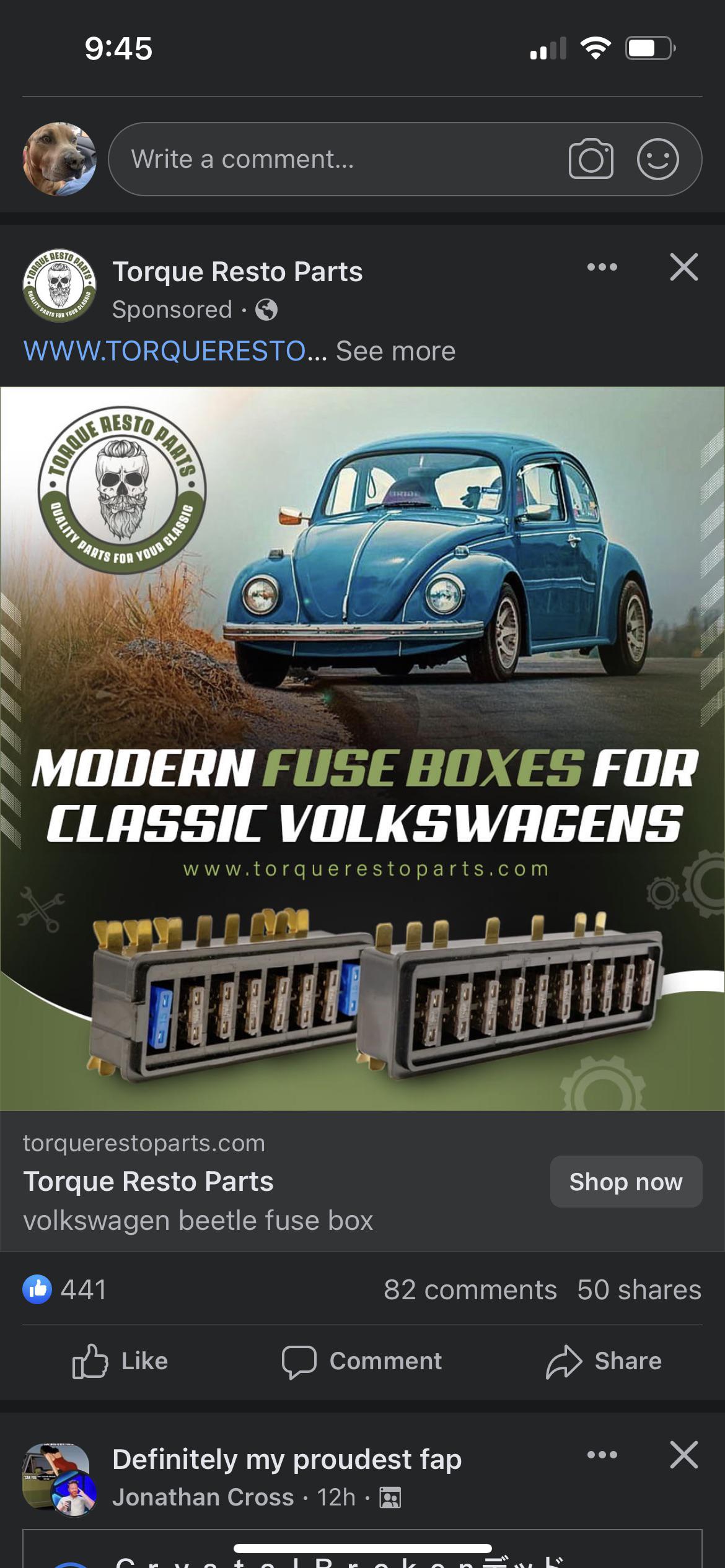
- Modern fuse box: Old glass-tube fuses are a pain. Switch to blade-style fuses or even a circuit breaker panel. Easier to troubleshoot, safer too.
- LED lighting conversion: Headlights, taillights, and interior lights. LEDs draw less power, last longer, and are brighter. Plus, they look period-correct if you choose warm-toned bulbs.
- Grounding upgrades: Old cars rely on chassis grounding, which corrodes. Add dedicated ground straps from the engine, battery, and body to a common point. This solves 90% of electrical gremlins.
You might also consider adding a hidden kill switch or a battery disconnect for security. And if you’re feeling fancy, a modern stereo with Bluetooth that looks like a vintage radio. It’s all about blending the old and new.
A Step-by-Step Guide (Without the Scary Bits)
Look, I’m not going to pretend this is a weekend project for a novice. But if you’re handy with a multimeter and have patience, you can do it. Here’s the rough order:
- Disconnect the battery. Always, always first. No exceptions.
- Remove the old harness. Label everything as you go. Take photos. You’ll thank yourself later.
- Clean and prep the chassis. Sand down grounding points. Apply dielectric grease to connections.
- Install the new harness. Follow the manufacturer’s diagram. Most kits are model-specific, so it’s plug-and-play-ish.
- Upgrade the alternator and battery. A modern AGM battery is a good choice—no leaks, more cranking power.
- Test everything. Check voltage at each component. Use a test light or multimeter. Fix any shorts before buttoning up.
- Add modern accessories. LED lights, USB ports, maybe a hidden fuse box for accessories.
Pro tip: Use a dedicated relay for high-draw items like headlights or electric fans. It takes the load off your switches and prevents melting.
Common Mistakes (And How to Avoid Them)
Oh, I’ve seen some doozies. People using household wire nuts in a car (don’t). Or forgetting to fuse the main power wire. Or grounding the battery to a painted surface. Here’s a quick table of do’s and don’ts:
| Do | Don’t |
|---|---|
| Use marine-grade heat shrink | Use electrical tape (it fails) |
| Add a master disconnect switch | Assume old grounds are fine |
| Use a fuse for every circuit | Overload a single circuit |
| Test each connection with a multimeter | Trust your memory—label everything |
Cost vs. Value: Is It Worth It?
Let’s talk money. A full wiring harness kit for a classic car runs anywhere from $400 to $1,200. Add an alternator ($150–$300), LED lights ($100–$400), and labor if you’re not DIY-ing it (maybe $500–$1,500). Total? Roughly $1,500 to $3,500. That’s not pocket change, but compare it to the cost of a fire or a breakdown on a highway.
And here’s the thing—it adds value. A modernized electrical system is a huge selling point. Buyers love knowing they won’t have to chase gremlins. Plus, you’ll drive more. You’ll take that Sunday cruise without anxiety. That’s priceless, honestly.
Current Trends in Vintage Car Electrics
Right now, the hot trend is CAN bus integration—yeah, the same system used in modern cars. Some companies make CAN bus controllers that talk to your vintage gauges, allowing you to run a digital dash that looks analog. Wild, right? Also, wireless charging pads hidden in the center console. And electronic ignition is practically standard now—no more points to adjust.
Another thing: retro-modern stereos with Bluetooth, Apple CarPlay, and hidden amplifiers. Companies like RetroSound make units that look like they came from 1967 but connect to your Spotify. It’s the best of both worlds.
Safety First: Don’t Skip This
I can’t stress this enough—fire safety. Old cars are tinderboxes. Modern wiring is flame-retardant, but you still need to protect it. Use grommets where wires pass through metal. Use split loom for abrasion resistance. And never run wires near the exhaust or fuel lines. Also, install a fusible link at the battery positive terminal. It’s a cheap insurance policy.
Oh, and if you’re adding a sound system, use a capacitor for the amplifier. Otherwise, your headlights will dim with every bass note. Annoying and dangerous.
Final Thoughts (No, Really)
Modernizing your vintage car’s electrical system isn’t about erasing its history. It’s about giving it a future. That ’57 Chevy or ’69 Triumph deserves to be driven, not just admired in a garage. With a reliable electrical system, you can take it to car shows, road trips, or just the grocery store without sweating bullets. The smell of old gasoline and leather is part of the charm—the smell of burning wires is not.
So, grab a multimeter, order that harness, and get to work. Your classic will thank you—with a smooth idle and headlights that actually light up the road. And honestly, isn’t that what we all want? A car that feels like yesterday but works like tomorrow.


Happy
0 %

Sad
0 %

Excited
0 %

Sleepy
0 %

Angry
0 %

Surprise
0 %
 0
0
 0
0

More Stories
Paintless Dent Repair Techniques for Aluminum Body Panels
Aluminum body panels used to be the exception. Now? They're everywhere. Ford's F-150 switched to an all-aluminum body back in...
Specialized Repair Techniques for Aluminum-Bodied Vehicles
Aluminum-bodied vehicles aren’t exactly new—Jaguar and Audi have been pushing them for decades—but they’ve hit the mainstream in a big...
DIY Electric Vehicle Maintenance Basics: Keep Your EV Humming Without Breaking the Bank
So you’ve got an electric vehicle. Maybe it’s a sleek Tesla, a trusty Nissan Leaf, or a zippy Chevy Bolt....
Integrating 3D Printing and Custom Fabrication in the Modern Repair Shop
The sound of a repair shop is changing. It’s not just the clang of a wrench or the hum of...
Specialized Maintenance and Repair for Hybrid Delivery and Rideshare Vehicles
Let's be honest. If you're driving a hybrid for Uber, Lyft, or delivering packages, your car isn't just a vehicle—it's...
The Rise of the DIY Electric Vehicle Owner: Maintenance You Can and Cannot Do
The garage is changing. Gone, slowly, are the puddles of oil and the scent of gasoline. In their place? A...
Average Rating