
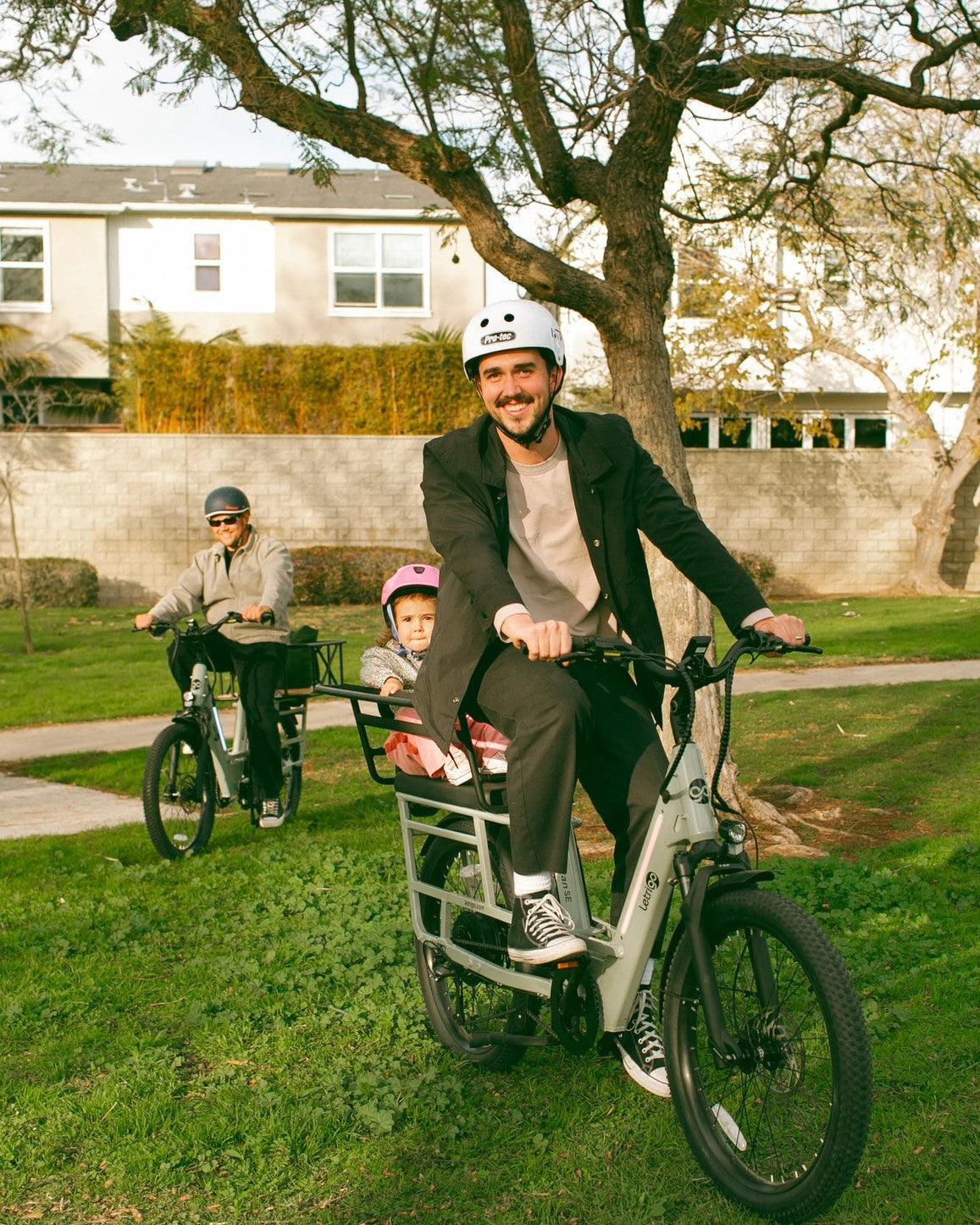
Cargo Bike Family Safety Tips: Ride Confident, Ride Together

Read Time:7 Minute, 26 Second
Look, I get it. You’ve just dropped a small fortune on a cargo bike — that beautiful, boxy beast that promises to replace your minivan. You picture yourself pedaling past traffic, kids giggling in the front box, wind in their hair. It’s a dream. But then, reality hits: How do I keep my precious cargo safe? Honestly, it’s a fair question. Cargo bikes aren’t just bicycles; they’re mini-momma vehicles on two wheels. And with great cargo comes great responsibility. Let’s break it down — no fluff, just real talk.
First Things First: The Right Bike for Your Family
Not all cargo bikes are created equal. You wouldn’t take a sports car off-roading, right? Same logic applies here. Before you even think about safety tips, you need a bike that fits your family’s size, terrain, and your own strength. I mean, a longtail bike is different from a front-loader box bike. One handles like a stretched limo; the other like a shopping cart with attitude.
Here’s a quick cheat sheet:
| Bike Type | Best For | Safety Consideration |
|---|---|---|
| Front-loader (box bike) | Young kids (0-6 years), heavy loads | Lower center of gravity, but wider turning radius |
| Longtail (extended rear) | Older kids (4+), gear, school runs | Higher center of gravity; watch for rear sway |
| Compact cargo | Smaller loads, one child, urban agility | Easier to maneuver, but less storage |
Pro tip: Always test ride with a weighted load — even if it’s just bags of rice. You’ll feel the difference. That wobble at low speeds? It’s real. And it’s a wake-up call.
Helmets Aren’t Optional — They’re Non-Negotiable
Okay, this one’s obvious, but you’d be surprised how many parents skip it for short trips. “We’re just going to the park, two blocks away.” Yeah, and that’s exactly where most accidents happen — close to home. Every single person on that bike needs a helmet. That includes you, the pilot. And the kids? They need properly fitted ones, not hand-me-downs that slide over their eyes.
Here’s the thing: a helmet is like a seatbelt for your head. It’s not about if you fall, but when. And with a cargo bike, the stakes are higher because you’re heavier, slower to react, and harder to stop. So, invest in quality. Look for MIPS technology (Multi-directional Impact Protection System) if you can. It’s a bit pricier, but your kid’s brain is worth it.
How to Get Kids to Actually Wear Them (Without a Fight)
Let’s be real: toddlers hate helmets. They’re itchy, they’re hot, and they look silly. But you can hack this. Let them pick their own helmet (unicorns, dinosaurs, whatever). Make it a ritual — “Helmet on, adventure begins.” And model the behavior. If you’re wearing yours, they’re more likely to comply. Also, never skip the chin strap. A helmet that flies off on impact is just a fancy hat.
Securing the Little Humans: Straps, Buckles, and Common Sense
You know what’s terrifying? A kid standing up in the cargo box while you’re cruising at 15 mph. I’ve seen it. It’s a heart-in-throat moment. Most cargo bikes come with seat belts or harnesses, but some don’t. If yours doesn’t, buy an aftermarket kit immediately. Seriously, don’t even ride without it.
Here’s a checklist for securing your riders:
- Use a 5-point harness for kids under 4. It distributes crash forces better.
- Check the straps every ride — they loosen over time, especially in rain.
- No loose items in the box. Toys, water bottles, snacks — they become projectiles in a sudden stop.
- Keep hands inside. Little arms love to wave at passing dogs, but they can get caught in spokes or hit by mirrors.
And here’s a weird one: watch for foot entrapment. Kids sometimes dangle their feet over the edge. If your bike has open sides, consider adding mesh panels or footrests. Trust me, a stubbed toe at 10 mph is no joke.
Visibility: You’re a Big Target (and That’s a Good Thing)
One of the biggest safety advantages of a cargo bike is that you’re visible. You’re wider, taller, and more noticeable than a standard bike. But that doesn’t mean you can blend into traffic. In fact, you need to stand out like a neon flamingo.
Here’s what I do: I run a front light that’s bright enough to blind a deer (okay, not literally). A dynamo hub light is ideal because it never runs out of battery. Rear lights? I have two — one on the bike, one on my helmet. Redundancy is your friend. And reflective tape? Slap it on the sides of the cargo box. Drivers see you from the side, not just the front or back.
Also, consider a bright flag or a safety pennant. It sounds old-school, but it works. Especially if you’re riding behind parked cars or in bike lanes near intersections. That little flag catches the eye.
Dressing for the Ride (Not Just for Instagram)
I know, I know — you want to look cool. But a black hoodie at dusk is basically invisibility gear. Wear bright colors. Or, if you’re fashion-conscious, get a reflective vest that folds into a pocket. You can even get reflective rain covers for the cargo box. They keep kids dry and make you glow like a lighthouse. Win-win.
Riding Techniques: Slower, Wider, Smarter
Here’s the deal: a cargo bike handles differently. It’s not a nimble road bike. You can’t swerve around potholes like a pro. And braking? Oh, it takes forever. So you need to adjust your riding style.
First, brake early and often. That extra 100 pounds of kids and gear means your stopping distance doubles. Practice emergency stops in an empty parking lot. Seriously, do it. You’ll learn how your bike reacts — and how your kids lurch forward.
Second, take wide turns. Your bike’s wheelbase is longer, so you’ll clip curbs if you cut corners. Lean into turns gently — sudden steering can tip a heavy load. And avoid riding on wet leaves or gravel. That’s a recipe for a slide.
Third, use your body weight. When you’re climbing a hill, lean forward. When descending, shift back. It sounds simple, but it’s easy to forget when you’re panting and the kids are yelling for snacks.
Route Planning: The Not-So-Secret Weapon
You wouldn’t take a school bus down a narrow alley. So why take your cargo bike on a busy four-lane road? Plan your route like your life depends on it — because it does. Use bike maps or apps like Komoot or Google Maps’ bike layer. Look for protected bike lanes, quiet residential streets, or multi-use paths.
But here’s a pro move: pre-ride the route without kids. You’ll spot hazards like low-hanging branches, broken glass, or steep driveways. And you’ll know where to stop for a breather. Kids get restless, and a restless kid is a safety risk (they start wiggling, unbuckling, etc.).
Another tip: avoid left turns across traffic if possible. Use a box junction or a pedestrian crossing instead. It’s slower, but it’s safer. Your kids will thank you (eventually).
Maintenance: The Unsung Hero of Safety
You know what’s scarier than a cargo bike? A cargo bike with bad brakes. Or a loose chain. Or a flat tire at the bottom of a hill. Regular maintenance isn’t just about keeping your bike pretty — it’s about keeping your family alive.
Here’s a quick weekly check:
- Tires: Inflate to the recommended PSI. Under-inflated tires make handling sluggish.
- Brakes: Squeeze the levers. Do they feel spongy? Adjust or replace pads.
- Chain: Lubricate it. A dry chain snaps under load.
- Bolts: Check the cargo box mounting bolts. They vibrate loose over time.
- Lights: Test them. Every. Single. Ride.
And if you’re not handy? Take it to a shop that works on cargo bikes. They’re not all created equal — some bike mechanics don’t understand the weight distribution. Find one who does.
Weather Woes: Rain, Snow, and Heat
Weather is a wildcard. In rain, your stopping distance triples. In snow, your bike becomes a sled. In heat, kids get cranky and dehydrated. So, adapt.
For rain: use a waterproof cover for the cargo box. Not just a tarp — a real cover with vents. Kids get scared if they can’t see out. And wear gloves; wet hands slip off brake levers.
For snow: studded tires are a game-changer. They bite into ice like claws. Also, lower your tire pressure slightly for more traction. And go slower — like, embarrassingly slow. It’s okay.
For heat: bring a spray bottle to mist


Happy
0 %

Sad
0 %

Excited
0 %

Sleepy
0 %

Angry
0 %

Surprise
0 %
 0
0
 0
0

More Stories
Cargo Bike Lifestyle for Families and Deliveries: The Two-Wheeled Revolution Nobody Saw Coming
Remember when a bike was just... a bike? You know, something with two wheels, a chain that occasionally slipped, and...
Bike Commuting Safety Tech and Smart Gear: The Modern Rider’s Arsenal
Remember when commuting by bike meant little more than a helmet, a flickering red light, and a silent prayer at...
Cargo Bike Conversion for Family Transportation: The Ultimate (and Honest) Guide
So, you’re thinking about swapping the minivan for something with two wheels and a whole lot more soul. Honestly, I...
DIY Bike Maintenance for Hydraulic Disc Brakes at Home: A Real-World Guide
Let’s be honest — hydraulic disc brakes are a bit intimidating at first. All that fluid, the bleeding process, the...
Sustainable Practices in Bicycle Maintenance and Repair: A Greener Spin on Keeping Your Bike Rolling
Let’s be honest. When we think about the eco-friendly nature of cycling, we picture clean air, quiet streets, and a...
Adaptive Cycling: Unlocking Freedom on Two (or Three, or Four) Wheels
There’s a feeling you get on a bike. The wind in your face, the rhythm of your legs, that sense...
Average Rating