
The Science and Art of Bicycle Maintenance for Longevity and Sustainability

Read Time:4 Minute, 49 Second
Let’s be honest. A well-maintained bike is a joy. It’s quiet, smooth, and feels like an extension of your body. A neglected one? Well, it’s a creaky, sluggish chore. But here’s the deal: regular maintenance isn’t just about a better ride today. It’s a powerful act of sustainability. It’s the science of preventing wear and the art of understanding your machine—all to keep it rolling for decades, not just seasons.
The Core Principle: It’s a System, Not Just Parts
Think of your bike like a tiny, self-powered ecosystem. Every part affects another. A dirty, dry chain doesn’t just wear itself out; it grinds down your expensive cassette and chainrings. Misaligned brakes rub, wasting energy and wearing pads. The science is in seeing these connections. The art is in developing a feel for them—that slight roughness in the pedal stroke, that new, faint tick on each wheel revolution.
The Rhythm of Care: From Weekly to Yearly
You don’t need to overhaul your bike every week. Good maintenance has a rhythm, a cadence. It’s about small, consistent acts that prevent big problems.
- The “Ride-By” Check (Before every ride): Quick tire pressure check (feel matters here), a squeeze of the brakes, and a visual once-over. Takes 30 seconds.
- The Weekly Wipe-Down: After a wet or dirty ride, just wiping the frame, rims, and chain with a damp cloth removes corrosive grime. Honestly, this one habit adds years.
- The Monthly Deep Clean & Lube: This is your core ritual. Clean the chain properly (a rag and some degreaser works wonders), re-lube it lightly, and check bolt tensions on things like your stem and seatpost.
The Sustainability Equation: Less Waste, More Miles
Here’s where the “why” gets powerful. The most sustainable bike is the one you already own. Manufacturing a new bicycle frame has a significant carbon footprint—from mining metals to global shipping. By extending its life through care, you’re directly reducing demand for new resources and keeping a complex object out of the landfill.
Consider the chain, the most frequently replaced part. A clean, lubricated chain might last 2,000 miles. A dirty one? Maybe 500. That’s three more chains mined, produced, and shipped. The math, and the impact, adds up fast across millions of cyclists.
Mastering the Key Interfaces
Most wear happens where parts meet and move. Focus your energy here.
1. The Drivetrain: Heart of the Machine
The chain, cassette, and chainrings. This is precision engineering meeting road grit. Cleanliness is non-negotiable. Use a proper degreaser and a brush. After cleaning, apply lube to the inside of the chain rollers, then wipe off ALL the excess. A sticky, gunked-up chain attracts more dirt—it’s a vicious cycle. A pro-tip? Get a chain wear checker tool. It’s the scientific way to know exactly when to replace it before it ruins other parts.
2. Brakes: Your Safety System
For rim brakes, keep the rims clean. For disc brakes, avoid getting contaminants on the rotors (fingers off!). Pad wear is easy to check visually. The art comes in adjusting them so they engage smoothly and release without a hint of rub. That quiet, efficient operation is a sign of health.
3. Bearings: The Unsung Heroes
Hubs, bottom bracket, headset. They spin, they bear load, and they hate water and grit. You won’t service these monthly, but you should listen and feel for them. Grinding, crunching, or play (looseness) means it’s time for a service or repack with fresh grease. This is a more advanced task, but learning it—or budgeting for a shop to do it annually—is a huge longevity play.
The Tool Kit: Start Simple, Build Over Time
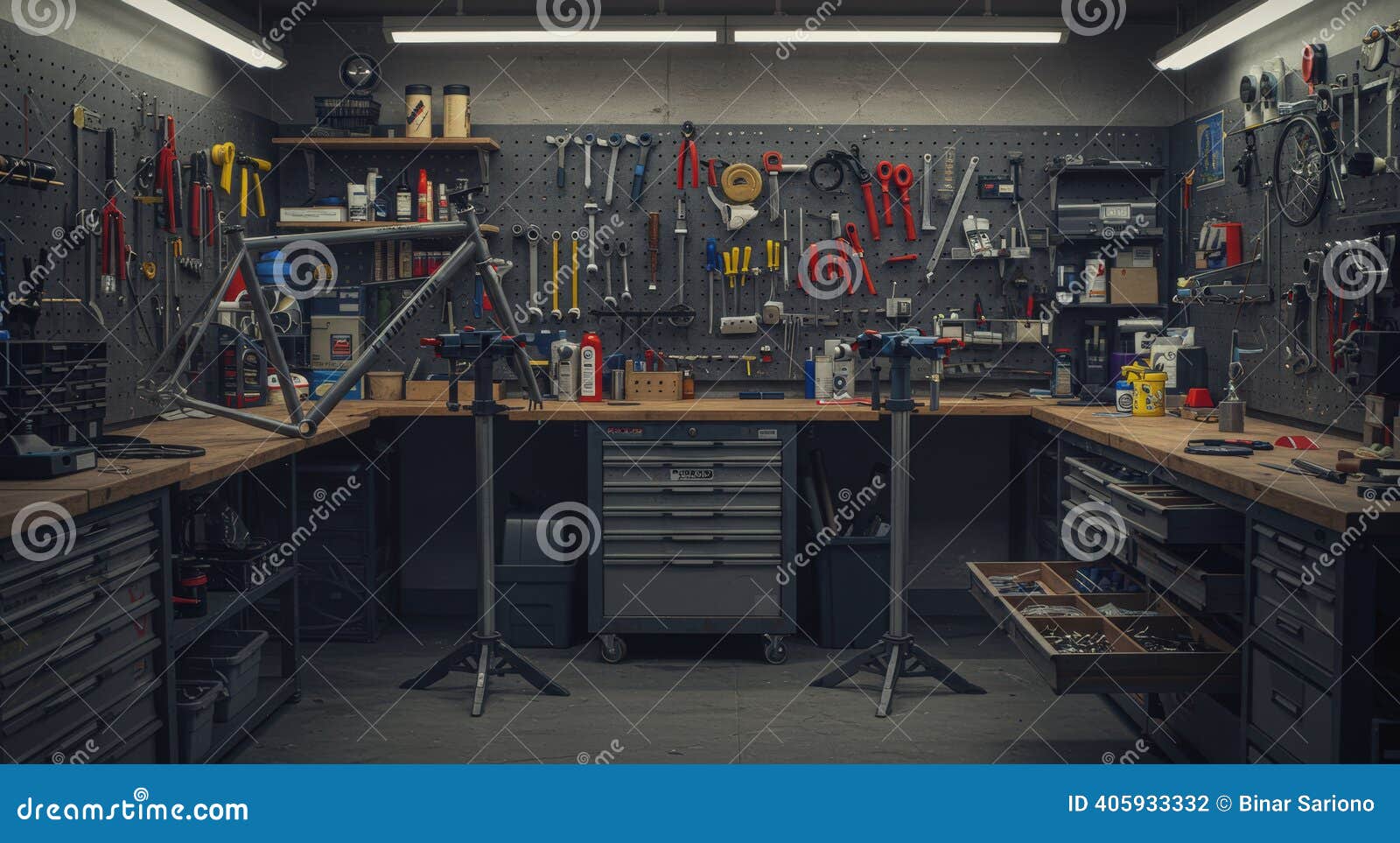
You don’t need a workshop. Start with a multi-tool, tire levers, a floor pump with a gauge, some brushes, and quality chain lube. That’s it. As you get curious, add a chain checker, a set of hex wrenches, and a cable cutter. The best tool, honestly, is a stand. It changes everything, making work easier and more precise.
| Common Issue | Likely Cause | Quick Fix / Check |
| Squeaky Brakes | Contaminated pads/rims or misalignment | Clean rim/rotor with isopropyl alcohol. Check pad alignment. |
| Chain Skipping | Worn chain or cassette | Use chain checker. If worn, replace chain (and possibly cassette). |
| Creaking when pedaling | Dry chain, loose crank bolt, or dirty bottom bracket | Lube chain first. If persists, check crank bolts for tightness. |
| Slow, “Squishy” shifting | Cable tension or dirty/housed cables | Barrel adjuster turn. If no fix, may need new cables/housing. |
Embracing the Art: It’s Okay to Learn
The science gives us the steps. The art is in the patience, the observation, the willingness to get it wrong sometimes. That weird noise? Spend time tracking it down. Isolate it. Does it happen only when pedaling? When turning? That’s detective work. Your hands will get dirty. You might cross-thread a bolt once (we’ve all been there). You’ll over-lube a chain. It’s part of the process.
This connection—this intimate knowledge of how your vehicle functions—is profoundly satisfying. It transforms the bike from a product you consume into a partner you care for. You start to hear its language. You feel its needs.
A Final, Sustainable Thought
In a world of fast consumption, the simple act of cleaning and adjusting a bicycle is quietly radical. It’s a rejection of the disposable. Every turn of the wrench, every cleaned link in the chain, is a small vote for a world where we value what we have, understand how it works, and commit to making it last. The bike, in its beautiful mechanical simplicity, is the perfect place to start that practice. So grab a rag, listen to the hum of a freshly lubed chain, and enjoy the ride—for years and years to come.


Happy
0 %

Sad
0 %

Excited
0 %

Sleepy
0 %

Angry
0 %

Surprise
0 %
 0
0
 0
0


More Stories
Cargo Bike Conversion for Family Transportation: The Ultimate (and Honest) Guide
So, you’re thinking about swapping the minivan for something with two wheels and a whole lot more soul. Honestly, I...
DIY Bike Maintenance for Hydraulic Disc Brakes at Home: A Real-World Guide
Let’s be honest — hydraulic disc brakes are a bit intimidating at first. All that fluid, the bleeding process, the...
Cargo Bike Family Safety Tips: Ride Confident, Ride Together
Look, I get it. You’ve just dropped a small fortune on a cargo bike — that beautiful, boxy beast that...
Sustainable Practices in Bicycle Maintenance and Repair: A Greener Spin on Keeping Your Bike Rolling
Let’s be honest. When we think about the eco-friendly nature of cycling, we picture clean air, quiet streets, and a...
Adaptive Cycling: Unlocking Freedom on Two (or Three, or Four) Wheels
There’s a feeling you get on a bike. The wind in your face, the rhythm of your legs, that sense...
What eBike Classification is Right for You?
Choosing an e-bike in 2026 isn't as simple as just picking a color and a price. As the industry matures,...

Average Rating